
Importance of hydration for immune function is crucial for understanding how staying properly hydrated can significantly boost the body’s defenses against illnesses and infections. Dehydration can have a negative impact on our immune system, but simple practices like drinking enough water can make a big difference.
This topic explores the vital link between hydration and immune function, shedding light on the role of water intake in supporting overall health and well-being.
Importance of Hydration for Immune Function
Proper hydration plays a crucial role in supporting a healthy immune system. It is essential for various immune functions and helps in the defense against infections and illnesses.
Relationship between Hydration and Immune Function
Hydration is vital for the production and circulation of lymph, which carries immune cells throughout the body to fight off pathogens. When well-hydrated, the immune system can function efficiently and respond effectively to threats.
Impact of Dehydration on the Immune System
Dehydration can impair the immune response by reducing the production of lymphatic fluid and weakening the body’s ability to combat infections. It can also lead to increased inflammation, making the body more susceptible to illnesses.
Benefits of Staying Hydrated for Immunity
- Improved circulation of immune cells to target infections
- Enhanced removal of toxins and waste products from the body
- Optimized function of immune system components, such as antibodies and cytokines
- Reduced risk of developing respiratory infections and other illnesses
Balanced Diet
A balanced diet plays a crucial role in supporting the immune system by providing essential nutrients that help the body fight off infections and maintain overall health.
Nutrient-Rich Foods for Immune Health
Consuming a variety of foods rich in vitamins, minerals, antioxidants, and other essential nutrients can help boost immune function. Some examples include:
- Fruits and vegetables: Rich in vitamins A, C, and E, as well as antioxidants that help reduce inflammation and support immune response.
- Lean proteins: Sources like poultry, fish, and legumes provide essential amino acids necessary for the immune system to function properly.
- Whole grains: High in fiber, vitamins, and minerals that support overall health and immune function.
- Healthy fats: Foods like nuts, seeds, and olive oil contain omega-3 fatty acids that have anti-inflammatory properties.
- Probiotic-rich foods: Yogurt, kefir, and fermented foods help maintain a healthy gut microbiome, which is essential for a strong immune system.
Impact of Imbalanced Diet on Immunity
An imbalanced diet lacking in key nutrients can weaken the immune system and make the body more susceptible to infections. For example:
- Excessive consumption of processed foods high in sugar, unhealthy fats, and additives can lead to inflammation and compromise immune function.
- A diet low in fruits and vegetables deprives the body of essential vitamins and antioxidants needed to support immune health.
- Inadequate protein intake can impair the production of antibodies and immune cells, making it harder for the body to defend against pathogens.
Mental Wellness
Maintaining good mental well-being is essential for supporting a strong immune system. The connection between mental health and immune function is significant, as stress, anxiety, and other mental health issues can weaken the body’s defense mechanisms.
Strategies for Maintaining Mental Well-being
- Practice mindfulness and meditation to reduce stress levels.
- Engage in regular physical activity to boost endorphins and improve mood.
- Get an adequate amount of sleep to support overall mental health.
- Connect with loved ones and maintain a strong social support system.
- Seek professional help if needed to address any mental health concerns.
Impact of Stress and Anxiety on the Immune System
Stress and anxiety can have a direct impact on the immune system by triggering the release of stress hormones like cortisol, which can suppress immune function. Chronic stress can lead to inflammation in the body, making it more vulnerable to infections and illnesses.
Therefore, managing stress levels and prioritizing mental well-being are crucial for maintaining a strong immune system.
Physical Fitness
Regular physical activity plays a crucial role in supporting immune function and overall health. Engaging in exercise helps to boost immunity by promoting circulation, reducing inflammation, and supporting the release of endorphins that can help reduce stress levels.
Relationship between Physical Fitness and Immune Function
Regular exercise has been shown to have a positive impact on immune function. It can help enhance the activity of immune cells in the body, making them more effective at fighting off infections and illnesses. Additionally, exercise can help reduce the risk of chronic diseases that can weaken the immune system over time.
- Cardiovascular exercises like running, cycling, or swimming can improve circulation and help immune cells move more efficiently throughout the body.
- Strength training exercises, such as weightlifting or bodyweight exercises, can help build muscle mass and support overall physical health, which in turn can boost immune function.
- Yoga and Pilates can help reduce stress levels, which can have a positive impact on immune function by lowering inflammation and promoting relaxation.
Importance of Regular Exercise for Overall Health and Immunity
Regular exercise is essential for maintaining overall health and supporting a strong immune system. It not only helps improve physical fitness but also plays a key role in reducing the risk of chronic diseases such as heart disease, diabetes, and obesity, which can compromise immune function.
By incorporating a variety of exercises into your routine, you can help support your immune system and promote long-term health and wellness.
Adequate Hydration: Importance Of Hydration For Immune Function
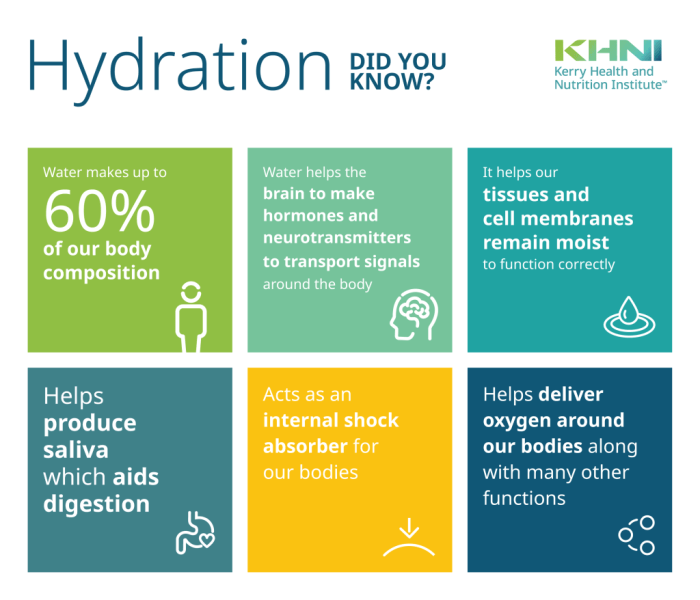
Ensuring adequate hydration is crucial for supporting a healthy immune function. Water plays a vital role in various bodily functions, including the immune system’s ability to defend against infections and illnesses.
Importance of Hydration for Immune Function
Proper hydration is essential for optimal immune response and overall health. Here are some key reasons why staying hydrated is important for your immune system:
- Water helps in the production of lymph, which carries immune cells throughout the body to fight off pathogens.
- Hydration supports the mucous membranes in the respiratory and digestive tracts, which act as a barrier against infections.
- Drinking enough water helps to flush out toxins and waste products from the body, reducing the burden on the immune system.
Water Intake Guidelines for Optimal Immunity
It is recommended to consume about 8-10 cups of water daily for most adults to maintain proper hydration levels. However, individual water needs may vary based on factors like age, weight, activity level, and climate.
Remember to increase your water intake if you are exercising, sick, or in hot weather to prevent dehydration.
Signs of Dehydration and its Impact on the Immune System
Recognizing the signs of dehydration is crucial as it can negatively affect your immune system. Some common symptoms of dehydration include:
- Thirst
- Dry mouth and lips
- Dark-colored urine
- Fatigue and weakness
When the body is dehydrated, it impairs the immune system’s ability to function properly, making you more susceptible to infections and illnesses. Therefore, staying adequately hydrated is essential for maintaining a strong immune response.
Healthy Lifestyle
Adopting a healthy lifestyle plays a crucial role in strengthening the immune system. By incorporating habits like a balanced diet, regular exercise, and adequate hydration, individuals can support their overall health and immunity.
Tips for Maintaining a Healthy Lifestyle
Here are some tips to help you maintain a healthy lifestyle and support your immune system:
- Aim to consume a variety of fruits, vegetables, whole grains, and lean proteins to ensure you are getting essential nutrients.
- Engage in physical activity regularly, such as cardio exercises, strength training, or yoga, to boost your immune function and overall well-being.
- Stay hydrated throughout the day by drinking an adequate amount of water to support your body’s functions and immune response.
- Get enough quality sleep each night to allow your body to rest and recover, promoting optimal immune function.
- Manage stress levels through techniques like meditation, deep breathing exercises, or hobbies to prevent chronic stress from weakening your immune system.
Role of Balanced Diet, Exercise, and Hydration
Each of these habits plays a vital role in maintaining overall health and supporting a robust immune system:
- Balanced Diet:Consuming a variety of nutrients from different food groups helps provide essential vitamins and minerals that support immune function.
- Exercise:Regular physical activity can help improve circulation, reduce inflammation, and boost the immune response to pathogens.
- Hydration:Drinking enough water is essential for various bodily functions, including immune cell circulation and toxin removal, to maintain optimal immune function.
Nutrient-Rich
Consuming a diet rich in nutrients is essential for boosting immunity and enhancing the body’s defense mechanisms. Nutrient-rich foods provide the necessary vitamins, minerals, and antioxidants that support overall health and immune function.
Key Nutrients for Immune Function
Key nutrients play a vital role in supporting the immune system and helping the body fight off infections and illnesses. Some of the essential nutrients for immune function include:
- Vitamin C: Known for its antioxidant properties and ability to boost the immune system.
- Vitamin D: Supports immune function and helps reduce the risk of respiratory infections.
- Zinc: Essential for immune cell function and helps in the production of antibodies.
- Iron: Plays a crucial role in immune cell proliferation and function.
Benefits of a Nutrient-Rich Diet, Importance of hydration for immune function
A diet rich in nutrients can enhance the body’s defense mechanisms by providing the necessary tools for a strong immune response. Nutrient-rich foods not only support immune function but also help reduce inflammation, promote healing, and maintain overall health.
Stress Management
Stress can have a significant impact on immune function, making individuals more susceptible to illness. When the body is under stress, it releases cortisol, a hormone that can suppress the immune system, making it harder for the body to fight off infections and diseases.
Effective Stress Management Techniques
- Regular exercise: Physical activity can help reduce stress levels and boost the immune system.
- Mindfulness and meditation: Practicing mindfulness techniques can help calm the mind and reduce stress.
- Healthy diet: Eating a balanced diet rich in nutrients can support overall health and resilience to stress.
- Adequate sleep: Getting enough rest is crucial for managing stress and maintaining a strong immune system.
- Seeking support: Talking to friends, family, or a therapist can provide emotional support during stressful times.
Chronic Stress and Immunity
Chronic stress, which is long-term and persistent, can have a detrimental effect on the immune system. Prolonged exposure to stress can lead to inflammation in the body, weakening the immune response and increasing the risk of illness and infection. It is important to identify sources of chronic stress and implement effective strategies to manage and reduce stress levels for overall well-being.
Preventive Care
Preventive care plays a crucial role in maintaining a strong immune system by focusing on proactive measures to keep illnesses at bay.
Importance of Vaccinations
One of the most effective preventive measures is getting vaccinated. Vaccinations help the immune system recognize and fight off specific pathogens, reducing the risk of infections.
- Regularly schedule vaccinations based on age and health recommendations to ensure optimal protection.
- Follow up with booster shots as needed to maintain immunity against certain diseases.
Healthy Lifestyle Habits
Adopting healthy lifestyle habits can also contribute to preventing illnesses and strengthening the immune system.
- Practice good hygiene by washing hands frequently to reduce the spread of germs.
- Engage in regular exercise to boost overall health and immunity.
- Eat a balanced diet rich in nutrients to support immune function.
Regular Health Check-ups
Scheduling regular health check-ups is essential for maintaining overall health and immunity.
- Consult healthcare providers for routine screenings to detect any health issues early on.
- Monitor vital signs and address any abnormalities promptly to prevent complications.
Proper Nutrition
Proper nutrition plays a crucial role in supporting immune function. A well-balanced diet can provide the necessary nutrients to strengthen the immune system and help the body fight off infections and illnesses.
Guidelines for Boosting Immunity through Diet
- Aim to include a variety of fruits and vegetables in your daily meals. These foods are rich in vitamins, minerals, and antioxidants that support immune function.
- Incorporate lean proteins such as poultry, fish, beans, and nuts into your diet. Protein is essential for the production of antibodies that help fight infections.
- Include whole grains like brown rice, quinoa, and oats in your meals. Whole grains provide fiber and essential nutrients that support overall health and immunity.
- Don’t forget healthy fats from sources like avocados, olive oil, and nuts. These fats help reduce inflammation and support immune function.
- Stay hydrated by drinking an adequate amount of water throughout the day. Proper hydration is essential for optimal immune function.
Impact of Nutrient Deficiencies on Immune Health
Deficiencies in essential nutrients can weaken the immune system and make the body more susceptible to infections. For example:
- Vitamin C deficiency can lead to a weakened immune response and increased susceptibility to infections.
- Vitamin D deficiency has been linked to an increased risk of respiratory infections and impaired immune function.
- Zinc deficiency can compromise the immune system’s ability to fight off pathogens and infections.
Quality Sleep
Quality sleep plays a crucial role in supporting a healthy immune function. During sleep, the body repairs and regenerates tissues, produces immune cells, and releases cytokines that help fight infections and inflammation.
Connection between Quality Sleep and Immune Function
Getting enough quality sleep is essential for a strong immune system. Lack of sleep can weaken the immune response, making you more susceptible to infections and illnesses. Chronic sleep deprivation can also lead to long-term inflammation and a compromised immune system.
Tips for Improving Sleep Quality to Enhance Immunity
- Avoid caffeine and heavy meals before bedtime.
- Establish a relaxing bedtime routine to signal your body that it’s time to sleep.
- Keep your bedroom dark, quiet, and at a comfortable temperature.
- Avoid screens and electronic devices at least an hour before bed.
- Practice relaxation techniques like deep breathing or meditation to reduce stress and promote better sleep.
Consequences of Sleep Deprivation on the Immune System
Sleep deprivation can have serious consequences on the immune system. It can impair the body’s ability to produce cytokines, reduce the effectiveness of antibodies, and increase the risk of infections. Chronic sleep deprivation has also been linked to conditions like obesity, diabetes, and cardiovascular disease, which can further weaken the immune system.
Cardio Health
Regular exercise plays a crucial role in maintaining cardiovascular health, which in turn has a significant impact on immune function. A strong and healthy heart helps in better circulation of blood and oxygen throughout the body, ensuring that the immune system cells can effectively reach the site of infection and do their job efficiently.
Examples of Cardio Exercises for Immune System Benefits
- Running or jogging: These high-intensity exercises can improve heart health and boost the immune system by increasing circulation.
- Swimming: A full-body workout like swimming not only strengthens the heart but also helps in reducing inflammation, which is beneficial for immunity.
- Cycling: Cycling is a low-impact exercise that can enhance cardiovascular fitness, leading to better immune response.
Role of a Healthy Heart in Supporting Overall Immunity
Maintaining a healthy heart through regular cardio exercises is essential for supporting overall immunity. A strong heart pumps blood efficiently, delivering oxygen and essential nutrients to the cells of the immune system. This, in turn, helps in fighting off infections and illnesses more effectively, keeping the body strong and resilient.
Immune Boost
Boosting the immune system naturally is essential for overall health and well-being. By incorporating specific strategies and lifestyle changes, you can enhance your immune response and lower the risk of infections and diseases.
Immune-Boosting Foods and Supplements
Consuming a nutrient-rich diet is crucial for supporting your immune system. Include foods high in vitamins and minerals such as citrus fruits, leafy greens, nuts, seeds, and lean proteins. Additionally, consider adding supplements like vitamin C, vitamin D, zinc, and probiotics to further boost your immunity.
Importance of Lifestyle Factors
Lifestyle factors play a significant role in enhancing immune function. Getting regular exercise, managing stress effectively, maintaining a healthy weight, and avoiding smoking and excessive alcohol consumption can all contribute to a stronger immune system. Prioritizing quality sleep and staying hydrated are also essential for optimal immune health.
Positive Mindset
Maintaining a positive mindset can have a profound impact on immune function. Our mental state plays a crucial role in how our body responds to challenges and threats, including illnesses. By cultivating a positive outlook, we can support our immune system and overall well-being.
Techniques for Cultivating a Positive Outlook
- Acknowledge and challenge negative thoughts: Identify negative patterns and replace them with positive affirmations.
- Practice gratitude: Focus on what you are thankful for to shift your perspective towards positivity.
- Engage in mindfulness and meditation: These practices can help reduce stress and promote a sense of calm and positivity.
- Surround yourself with positive influences: Build a support network of friends and family who uplift and inspire you.
Link Between Optimism and Resilience
“Optimism is the faith that leads to achievement. Nothing can be done without hope and confidence.”
Helen Keller
Optimism is not just about seeing the glass half full; it’s about having the confidence and hope that things will get better. Research has shown that individuals with a positive outlook tend to exhibit greater resilience in the face of illness.
Optimistic people are more likely to engage in health-promoting behaviors, seek social support, and maintain a sense of purpose, all of which contribute to a stronger immune system and better overall health.
Clean Eating
Clean eating is a dietary approach that focuses on consuming whole, minimally processed foods in their most natural state. By avoiding processed and refined foods, clean eating promotes overall health and well-being, including a stronger immune system.
Principles of Clean Eating for Immunity
- Avoiding added sugars and artificial sweeteners, which can weaken the immune response.
- Choosing organic fruits and vegetables to reduce exposure to pesticides and chemicals that may compromise immune function.
- Including lean proteins like poultry, fish, and legumes to support the body’s immune defenses.
- Opting for whole grains such as quinoa, brown rice, and oats for sustained energy and essential nutrients.
- Emphasizing healthy fats from sources like avocado, nuts, and olive oil to reduce inflammation and support immune health.
Benefits of Avoiding Processed Foods
Avoiding processed foods can strengthen the immune system by reducing the intake of artificial additives, preservatives, and unhealthy fats that may disrupt the body’s natural defenses. Processed foods often lack essential nutrients and fiber, which are vital for a robust immune response.
By focusing on whole, nutrient-rich foods, individuals can enhance their immune function and overall health.
Daily Activity
Regular physical activity plays a crucial role in maintaining a strong immune system. Engaging in daily exercise can help boost immunity, reduce inflammation, and improve overall health.
Simple Activities for Immune Health
- Walking: Taking a brisk walk around your neighborhood or during breaks at work can help increase circulation and support immune function.
- Yoga: Practicing yoga can reduce stress levels, which in turn can positively impact your immune system.
- Dancing: Whether it’s dancing in your living room or taking a dance class, moving to music is a fun way to stay active and support your immunity.
Importance of Staying Active Throughout the Day
It’s important to incorporate movement into your daily routine to support your immune system. Simple activities like taking the stairs instead of the elevator, stretching at your desk, or doing short bursts of exercise throughout the day can all contribute to better immunity.
Holistic Health
A holistic approach to health considers the interconnectedness of the mind, body, and spirit, emphasizing the importance of addressing mental, emotional, and physical well-being for overall wellness. This approach is significant for immune function as it recognizes that all aspects of health play a role in supporting a strong immune system.
Significance of Holistic Health for Immune Function
- Addressing mental well-being by practicing mindfulness and stress management techniques can reduce the impact of chronic stress on the immune system.
- Emotional well-being, such as cultivating positive relationships and engaging in activities that bring joy, can boost immune function by promoting the release of feel-good hormones.
- Physical well-being through regular exercise, balanced nutrition, and adequate hydration supports immune health by strengthening the body’s natural defenses.
Holistic Practices for Overall Health and Immunity
- Yoga and meditation: These practices promote relaxation, reduce stress, and support immune function by calming the nervous system.
- Aromatherapy: Essential oils can be used to reduce anxiety, improve sleep quality, and enhance overall well-being, all of which contribute to a healthy immune system.
- Acupuncture: This traditional Chinese medicine practice aims to balance the body’s energy flow, supporting overall health and immunity.
- Herbal remedies: Certain herbs and supplements, like echinacea and elderberry, are known for their immune-boosting properties when incorporated into a holistic health regimen.
Mindful Living
Living mindfully involves being fully present and aware of your thoughts, emotions, and surroundings without judgment. This practice can have a significant impact on immune function by reducing stress and promoting overall well-being.
Mindfulness Techniques for Enhanced Immunity
- Body Scan Meditation: This involves focusing on different parts of your body, noticing any tension or discomfort, and releasing it to promote relaxation and reduce stress.
- Deep Breathing Exercises: Taking slow, deep breaths can help calm the mind, lower stress levels, and enhance immune function.
- Mindful Eating: Paying attention to the taste, texture, and smell of food can lead to healthier eating habits, which in turn support immune health.
- Gratitude Practice: Cultivating a sense of gratitude can shift focus away from stressors, leading to a more positive outlook and stronger immune response.
Connection Between Mindfulness and Immune Response
Mindfulness practices have been shown to reduce inflammation in the body, which is linked to various chronic diseases and immune system dysfunction. By lowering stress levels and promoting relaxation, mindfulness can help the immune system function optimally, leading to better overall health and well-being.
Emotional Balance
Maintaining emotional balance is crucial for supporting immune health. Emotions play a significant role in our overall well-being and can impact our immune system’s function. When we experience stress, anxiety, or negative emotions, our body releases stress hormones that can weaken our immune response.
On the other hand, positive emotions like happiness and contentment can boost our immunity and promote better health outcomes.
Strategies for Achieving Emotional Equilibrium
- Practice mindfulness and meditation to reduce stress and promote emotional well-being.
- Engage in regular physical activity, which can help release endorphins and improve mood.
- Connect with loved ones and build a strong support system to share your feelings and experiences.
- Engage in activities that bring you joy and relaxation, such as hobbies or spending time in nature.
- Seek professional help if you are struggling with overwhelming emotions or mental health concerns.
Impact of Managing Emotions on Well-Being and Immunity
Positive emotions can lead to the release of neuropeptides that help fight stress and potentially more-serious illnesses.
Emotional balance not only supports our mental health but also has a direct impact on our immune system. By managing our emotions effectively, we can reduce the negative effects of stress on our body, strengthen our immune response, and improve our overall well-being.
Prioritizing emotional health is essential for maintaining a strong and resilient immune system.
Health Education
Health education plays a crucial role in promoting immune function by empowering individuals with knowledge about how lifestyle choices can impact immunity. Understanding the connection between health and immunity can help people make informed decisions to boost their immune system.
The Impact of Health Education on Immune Function
Health education provides individuals with the necessary information to make positive lifestyle choices that can support a healthy immune system. By learning about the importance of factors such as balanced diet, physical fitness, stress management, and proper hydration, individuals can take proactive steps to strengthen their immunity.
Empowering Individuals to Make Immune-Boosting Decisions
Knowledge about health and immunity empowers individuals to make informed decisions regarding their lifestyle habits. By understanding how factors like nutrition, exercise, sleep, and mental wellness influence immune function, people can make conscious choices to support their overall health and well-being.
Self-Care
Self-care practices play a crucial role in supporting the immune system by helping the body maintain overall health and well-being. By engaging in self-nurturing activities, individuals can boost their immunity, reduce stress levels, and improve their quality of life.
Examples of Self-Care Routines for Boosting Immunity
- Regular exercise: Engaging in physical activity can help strengthen the immune system and improve overall health.
- Healthy eating: Consuming a balanced diet rich in nutrients can provide the body with the necessary fuel to fight off infections.
- Quality sleep: Getting enough rest is essential for immune function as it allows the body to repair and regenerate cells.
- Stress management: Practicing relaxation techniques such as meditation or deep breathing can help reduce stress levels and boost immunity.
Impact of Self-Nurturing Activities on Overall Health and Immunity
Self-nurturing activities have a profound impact on overall health and immunity by promoting a sense of well-being and reducing the risk of chronic diseases. By prioritizing self-care, individuals can enhance their resilience to illnesses and maintain a strong immune system.
Chronic Disease
Chronic diseases can have a significant impact on immune function, affecting the body’s ability to fight off infections and maintain overall health.
Relationship Between Chronic Diseases and Immune Function
Chronic diseases such as diabetes, heart disease, and autoimmune disorders can weaken the immune system over time. These conditions often lead to inflammation, which can disrupt the body’s immune response and make it more difficult to combat infections.
- Diabetes, for example, can impair the function of immune cells, making individuals more susceptible to infections.
- Heart disease can cause chronic inflammation, which weakens the immune system and increases the risk of infections.
- Autoimmune disorders, where the immune system mistakenly attacks healthy cells, can lead to immune dysfunction and leave individuals vulnerable to infections.
Strategies for Managing Chronic Diseases to Minimize Impact on Immunity
Managing chronic diseases is essential for maintaining a strong immune system and overall health. Here are some strategies to help minimize the impact of chronic conditions on immunity:
- Follow a balanced diet rich in nutrients to support immune function and overall well-being.
- Engage in regular physical activity to boost immune response and reduce inflammation.
- Practice stress management techniques such as meditation or yoga to lower inflammation and support immune health.
- Get regular check-ups and follow treatment plans prescribed by healthcare providers to manage chronic conditions effectively.
- Prioritize quality sleep to allow the body to repair and strengthen the immune system.
Final Review
In conclusion, ensuring adequate hydration is not just about quenching your thirst but also about fortifying your immune system. By prioritizing hydration, you can take a proactive step towards safeguarding your health and promoting a robust immune response.
Questions and Answers
Does dehydration really impact the immune system?
Yes, dehydration can weaken the immune system by affecting the production of immune cells and compromising their function.
How much water intake is necessary for optimal immunity?
It’s recommended to drink at least 8-10 cups of water per day to maintain proper hydration levels and support immune function.
What are the signs of dehydration and how do they affect immunity?
Signs of dehydration include dry mouth, headache, and fatigue. When dehydrated, the body’s immune response may be less effective in fighting off infections.


