How to schedule daily activity for optimal health dives into the importance of daily routines for overall well-being. This engaging guide offers insights and tips on incorporating balanced nutrition, physical fitness, stress management, and more into your daily schedule.
Explore the key components that contribute to optimal health and learn how to create a holistic approach to well-being through simple yet effective lifestyle changes.
Balanced Diet
Proper nutrition plays a crucial role in maintaining optimal health and overall well-being. A balanced diet ensures that your body receives the necessary nutrients to function properly and support daily activities. Here are some key points to consider when planning your meals:
Nutrient-Rich Foods
A well-balanced diet should include a variety of nutrient-rich foods such as:
- Leafy green vegetables like spinach and kale, which are rich in vitamins and minerals.
- Lean proteins such as chicken, fish, and tofu for muscle repair and growth.
- Whole grains like quinoa and brown rice for sustained energy levels.
- Fruits like berries, oranges, and apples for essential vitamins and antioxidants.
- Dairy or dairy alternatives for calcium and vitamin D to support bone health.
Importance of Proper Nutrition
Proper nutrition is vital for optimal health as it provides the body with essential nutrients for growth, repair, and overall functioning. Nutrient-rich foods help boost the immune system, improve digestion, and reduce the risk of chronic diseases.
Creating a Well-Rounded Meal Plan
To create a balanced meal plan for daily activities, consider including a variety of food groups in each meal. Aim to have a source of protein, whole grains, fruits, vegetables, and healthy fats to ensure you’re getting a good mix of nutrients throughout the day.
Contribution to Overall Well-Being
A balanced diet contributes to overall well-being by providing the necessary nutrients for physical and mental health. Eating a variety of nutrient-rich foods can improve energy levels, support weight management, and enhance mood and cognitive function.
Mental Wellness: How To Schedule Daily Activity For Optimal Health
Maintaining mental wellness is crucial for overall health and productivity. Our daily activities have a significant impact on our mental well-being, influencing our mood, stress levels, and cognitive function.
The Impact of Stress on Mental Health
Stress can take a toll on our mental health, leading to anxiety, depression, and other serious conditions if left unmanaged. It is important to identify stress triggers and develop effective coping mechanisms. Some strategies to manage stress include:
- Engaging in regular physical activity to reduce cortisol levels and boost endorphins.
- Practicing relaxation techniques such as deep breathing, meditation, or yoga.
- Setting boundaries and prioritizing tasks to avoid feeling overwhelmed.
Maintaining Emotional Balance
Emotional balance is key to managing daily challenges and maintaining mental wellness. To stay emotionally balanced throughout the day, consider the following tips:
- Express your feelings by talking to a trusted friend or therapist.
- Practice self-care activities that bring you joy and relaxation.
- Acknowledge and accept your emotions without judgment.
Incorporating Mindfulness into Daily Routines
Mindfulness is a powerful tool for improving mental well-being and reducing stress. To incorporate mindfulness into your daily routine, try the following techniques:
- Start your day with a few minutes of mindful breathing or meditation.
- Practice mindful eating by savoring each bite and focusing on the present moment.
- Take short mindfulness breaks throughout the day to check in with yourself and ground your thoughts.
Physical Fitness
Regular exercise plays a crucial role in maintaining optimal health. It offers a wide range of benefits, including improved cardiovascular health, increased muscle strength, better flexibility, weight management, and enhanced mood and mental well-being.
Types of Exercises
- Cardiovascular exercises: Activities like running, cycling, swimming, or dancing that elevate your heart rate and improve endurance.
- Strength training: Involves resistance exercises using weights, resistance bands, or body weight to build muscle mass and strength.
- Flexibility exercises: Stretching routines that improve flexibility, range of motion, and reduce the risk of injuries.
Importance of Cardio Health
Cardiovascular health is essential for overall well-being as it helps in maintaining a healthy heart, reducing the risk of heart diseases, improving circulation, and boosting endurance. Regular cardio exercises like brisk walking, jogging, or cycling can significantly improve your heart health.
Tips for Staying Physically Active
- Schedule regular workout sessions in your daily routine to ensure consistency.
- Take short active breaks during work hours to stretch or walk around.
- Engage in activities you enjoy to make exercise fun and sustainable.
- Set specific fitness goals to stay motivated and track your progress.
Adequate Hydration
Hydration plays a crucial role in supporting our daily activities and maintaining optimal health. Water is essential for various bodily functions, including digestion, circulation, temperature regulation, and nutrient absorption.
Recommended Daily Water Intake
It is generally recommended to drink about 8-10 cups of water per day to stay adequately hydrated. However, individual water needs can vary based on factors like age, weight, activity level, and climate.
Benefits of Staying Hydrated
- Improved physical performance and energy levels
- Enhanced cognitive function and concentration
- Regulation of body temperature and detoxification
- Healthy skin and digestion
Tips for Ensuring Proper Hydration
- Carry a reusable water bottle with you throughout the day as a reminder to drink water.
- Set specific goals for water intake at different times of the day, such as a glass of water before meals.
- Infuse water with fruits or herbs for added flavor to encourage consumption.
- Monitor your urine color – pale yellow to clear indicates proper hydration.
- Limit intake of dehydrating beverages like alcohol and caffeinated drinks.
Healthy Lifestyle
Maintaining a healthy lifestyle is crucial for achieving optimal health and overall well-being. It involves a combination of various components that work together to promote a state of physical, mental, and emotional balance.
Clean Eating
Clean eating is a fundamental aspect of a healthy lifestyle. It involves consuming whole, minimally processed foods that are rich in nutrients and free from artificial additives. By prioritizing clean eating, individuals can fuel their bodies with the essential vitamins, minerals, and antioxidants needed for optimal health.
Self-Care Practices
Incorporating self-care practices into daily routines is essential for maintaining a healthy lifestyle. These practices can include activities such as meditation, yoga, journaling, or spending time in nature. Engaging in self-care helps reduce stress, improve mental clarity, and enhance overall well-being.
Healthy Habits
There are various healthy habits that individuals can adopt to support a healthy lifestyle. Examples include regular exercise, adequate sleep, staying hydrated, and practicing mindfulness. These habits contribute to physical fitness, mental wellness, and overall vitality.
Stress Management
Managing stress is essential for maintaining overall well-being. High levels of stress can have a significant impact on both physical and mental health, leading to various health issues.
Effective Strategies for Managing Stress
- Practice relaxation techniques such as deep breathing, meditation, or yoga.
- Engage in regular physical activity to reduce stress hormones and boost endorphins.
- Establish boundaries and learn to say no to avoid overcommitting yourself.
- Connect with others and seek support from friends, family, or a therapist.
- Prioritize tasks and break them down into manageable steps to avoid feeling overwhelmed.
Impact of Stress on Physical and Mental Health
Chronic stress can weaken the immune system, increase the risk of heart disease, and contribute to mental health disorders such as anxiety and depression. It can also manifest in physical symptoms like headaches, muscle tension, and digestive issues.
Tips for Incorporating Stress-Relief Techniques into Daily Activities
- Take short breaks throughout the day to relax and recharge.
- Practice mindfulness by focusing on the present moment and letting go of worries about the past or future.
- Schedule time for activities you enjoy and that help you unwind, such as reading, listening to music, or taking a bath.
Importance of Stress Management for Overall Well-being, How to schedule daily activity for optimal health
Effective stress management is crucial for maintaining a healthy mind and body. By reducing stress levels, you can improve your quality of life, enhance productivity, and prevent the negative effects of chronic stress on your health.
Preventive Care
Preventive care plays a crucial role in maintaining optimal health by focusing on early detection and prevention of potential health issues. By incorporating preventive health measures into daily routines, individuals can significantly reduce the risk of developing chronic diseases and improve overall well-being.
Significance of Preventive Care
Preventive care involves taking proactive steps to maintain health and prevent illnesses before they occur. It helps in identifying risk factors early on, allowing for timely interventions to prevent the progression of diseases.
Preventive Health Measures
- Regular health check-ups with healthcare providers to monitor vital signs and detect any abnormalities.
- Maintaining a healthy diet rich in fruits, vegetables, whole grains, and lean proteins to support overall health.
- Engaging in regular physical activity to promote cardiovascular health, muscle strength, and flexibility.
- Getting adequate sleep to support immune function, cognitive health, and overall well-being.
Preventive Screenings and Check-Ups
Preventive screenings and check-ups can vary based on age groups and risk factors. Some examples include:
| Age Group | Preventive Screenings/Check-Ups |
|---|---|
| Young Adults (18-29) | Regular blood pressure checks, cholesterol screenings, and skin cancer screenings. |
| Adults (30-64) | Regular mammograms, colonoscopies, and diabetes screenings based on individual risk factors. |
| Seniors (65+) | Bone density scans, eye exams, and cognitive assessments to monitor health status and detect age-related issues. |
Role in Reducing Chronic Diseases
Preventive care plays a vital role in reducing the risk of chronic diseases such as diabetes, heart disease, and certain types of cancer. By focusing on prevention, individuals can adopt healthy lifestyle habits and undergo regular screenings to detect and address potential health concerns before they escalate.
Quality Sleep
Quality sleep plays a crucial role in maintaining overall health and well-being. It is during sleep that our body repairs and rejuvenates itself, supporting various bodily functions and cognitive processes.
Importance of Quality Sleep
Getting enough quality sleep has a significant impact on our daily activities and productivity. Lack of sleep can lead to decreased focus, irritability, impaired decision-making, and reduced overall performance. On the other hand, adequate and restful sleep can enhance cognitive function, mood, and energy levels, ultimately leading to a more productive day.
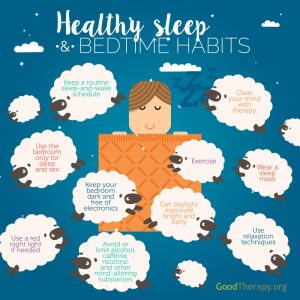
Tips for Improving Sleep Quality
- Avoid caffeine and electronics before bedtime to promote relaxation.
- Create a calming bedtime routine to signal to your body that it’s time to sleep.
- Ensure your sleep environment is comfortable, quiet, and conducive to rest.
- Stick to a consistent sleep schedule, even on weekends, to regulate your body’s internal clock.
Strategies for Restful Sleep
- Practice relaxation techniques such as deep breathing or meditation before bedtime.
- Avoid heavy meals and vigorous exercise close to bedtime to allow your body to wind down.
- Limit exposure to screens emitting blue light, which can interfere with the production of sleep-inducing hormones.
- Consider investing in a comfortable mattress and pillows to support a good night’s sleep.
Immune Boost
When it comes to maintaining optimal health, having a strong immune system is crucial. Our daily activities play a significant role in boosting our immune health and protecting us from illnesses.
Nutrition and Physical Fitness
Nutrition and physical fitness are key components in enhancing our immune system. Consuming a well-balanced diet rich in fruits, vegetables, lean proteins, and whole grains provides essential nutrients that support immune function. Regular exercise also helps to improve circulation and overall immune response.
Immune-Boosting Foods and Supplements
- Include foods high in vitamin C, such as citrus fruits, berries, and bell peppers, to help stimulate the production of white blood cells.
- Incorporate garlic, ginger, and turmeric into your meals for their anti-inflammatory and immune-boosting properties.
- Consider taking supplements like vitamin D, zinc, and probiotics to further support your immune system.
Lifestyle Choices for a Strong Immune System
Aside from nutrition and physical fitness, certain lifestyle choices can also impact our immune health:
- Manage stress through relaxation techniques like meditation, yoga, or deep breathing exercises.
- Get regular exposure to sunlight for natural vitamin D production, which is crucial for immune function.
- Avoid smoking, limit alcohol consumption, and prioritize good hygiene practices to reduce the risk of infections.
Positive Mindset
Having a positive mindset can greatly impact overall health in various ways. It not only improves mental wellness but also has physical health benefits. A positive outlook can enhance resilience, reduce stress, and boost immune function, leading to a healthier and happier life.
Benefits of a Positive Mindset
- Improved mental well-being and reduced risk of mental health disorders.
- Enhanced physical health, including lower blood pressure and better heart health.
- Increased resilience to challenges and setbacks in life.
- Boosted immune system function, leading to better overall health.
Impact of Attitude and Perspective
- Attitude and perspective can influence how we approach daily activities and challenges.
- A positive mindset can lead to more proactive and constructive actions.
- Negative attitudes can hinder progress and lead to increased stress and anxiety.
Techniques for Cultivating a Positive Mindset
- Practice gratitude daily by reflecting on things you are thankful for.
- Avoid negative self-talk and focus on positive affirmations.
- Engage in activities that bring you joy and fulfillment.
- Surround yourself with supportive and positive people.
Examples of Positive Outlook Improving Well-being
- Individuals with a positive mindset tend to recover faster from illnesses.
- Positive thinking can lead to better problem-solving and decision-making skills.
- A positive outlook can improve relationships and social interactions.
Daily Activity
Regular daily activity plays a crucial role in maintaining optimal health and overall well-being. Engaging in physical and mental activities on a daily basis can help improve physical fitness, mental wellness, and overall quality of life.
Examples of Daily Activities
- Walking or jogging in the morning
- Yoga or stretching exercises
- Mindfulness meditation or deep breathing exercises
- Gardening or outdoor activities
- Dancing or aerobics
Tips for Scheduling Daily Activities
- Set specific time slots for different activities
- Include a variety of activities to keep it interesting
- Start with small achievable goals and gradually increase intensity
- Listen to your body and rest when needed
Benefits of Daily Activity Routines
Regularly incorporating daily activity routines into your schedule can lead to improved physical health, increased mental clarity, reduced stress levels, and enhanced overall well-being. By staying active, you boost your energy levels, strengthen your immune system, and promote a positive mindset, ultimately leading to a healthier and happier life.
Holistic Health
Holistic health is an approach to healthcare that considers the whole person – body, mind, and spirit – in the quest for optimal wellness. It emphasizes the interconnectedness of all aspects of health and focuses on treating the individual as a whole, rather than just addressing specific symptoms.
Interconnectedness of Physical, Mental, and Emotional Well-being
Physical, mental, and emotional well-being are closely linked and influence each other. For example, chronic stress can lead to physical health problems, while poor physical health can impact mental well-being. It is essential to address all aspects of health to achieve overall wellness.
Holistic Approaches to Health
- Practicing mindfulness and meditation to reduce stress and improve mental clarity.
- Eating a balanced diet rich in nutrients to support physical health and mental well-being.
- Engaging in regular exercise to boost physical fitness and enhance mood.
- Building strong social connections to support emotional well-being.
Incorporating Holistic Practices into Daily Routines
- Start your day with a moment of gratitude or reflection to set a positive tone.
- Make time for physical activity, whether it’s a workout, yoga, or a simple walk outside.
- Eat nourishing meals that fuel your body and mind, focusing on whole foods.
- Practice stress-reducing techniques like deep breathing or progressive muscle relaxation.
- Prioritize sleep to allow your body and mind to rest and rejuvenate.
Health Education
Health education plays a crucial role in maintaining optimal health by providing individuals with the knowledge and skills necessary to make informed decisions about their well-being.
Importance of Health Education
Health education empowers individuals to take control of their health and prevent diseases through lifestyle modifications and preventive measures. By staying informed about health-related topics, individuals can make better choices for their overall well-being.
Resources for Staying Informed
- Consult reputable websites such as the Centers for Disease Control and Prevention (CDC) or the World Health Organization (WHO) for the latest health updates.
- Follow health professionals and organizations on social media platforms for valuable insights and information.
- Attend health seminars, workshops, or webinars to expand your knowledge on various health topics.
Tips for Self-Education
- Read books, articles, and research studies on health and wellness to deepen your understanding of different health issues.
- Join online forums or support groups to engage with like-minded individuals and exchange knowledge and experiences.
- Consider taking online courses or certifications in health-related subjects to enhance your expertise.
Benefits of Ongoing Health Education
Ongoing health education enables individuals to stay updated on the latest health trends, research findings, and best practices. By continuously educating themselves, individuals can make informed lifestyle choices that promote their overall health and well-being.
Chronic Disease
Chronic diseases are long-lasting conditions that can significantly impact an individual’s quality of life. These conditions often require ongoing management and care to prevent complications and maintain overall health.
Impact of Daily Activities
Daily activities play a crucial role in the prevention of chronic diseases. Engaging in regular physical exercise, consuming a balanced diet, staying hydrated, managing stress effectively, and getting quality sleep are all essential for reducing the risk of developing chronic conditions.
Lifestyle Factors
- Smoking and excessive alcohol consumption can increase the risk of chronic diseases such as heart disease, cancer, and respiratory disorders.
- Eating a diet high in processed foods, sugar, and unhealthy fats can also contribute to the development of chronic conditions.
- Maintaining a healthy weight and avoiding sedentary behavior are key factors in reducing the likelihood of chronic illnesses.
Managing Chronic Diseases
For individuals already living with chronic diseases, incorporating healthy habits into daily routines is essential for effective management. This includes following a treatment plan prescribed by healthcare providers, monitoring symptoms closely, and making lifestyle changes to support overall well-being.
Preventive Measures
- Regular health screenings and check-ups can help detect potential health issues early on and prevent the progression of chronic diseases.
- Practicing good hygiene, such as proper handwashing and vaccination, can reduce the risk of infectious diseases that may lead to chronic conditions.
- Avoiding exposure to environmental toxins and pollutants can also help prevent the development of certain chronic illnesses.
Last Word
In conclusion, mastering the art of scheduling daily activities for optimal health is a journey towards a healthier and happier life. By following the strategies Artikeld in this guide, you can take proactive steps to enhance your well-being and vitality.
FAQ Section
How can I ensure I am getting all the necessary nutrients in my daily diet?
Include a variety of fruits, vegetables, whole grains, lean proteins, and healthy fats in your meals to ensure a balanced nutrient intake.
What are some effective stress management techniques for daily use?
Practicing deep breathing, meditation, yoga, or engaging in hobbies can help reduce stress levels and promote mental well-being.
How much water should I drink daily for optimal health?
The general recommendation is to drink at least 8-10 cups (64-80 ounces) of water per day, but individual needs may vary.
What are some examples of preventive health measures I can incorporate into my daily routine?
Regular exercise, balanced nutrition, adequate sleep, and staying up to date on preventive screenings are key preventive health measures.