
How to maintain holistic health during aging is crucial for overall well-being as we grow older. This guide offers valuable insights and practical advice on achieving and sustaining a healthy lifestyle in your later years.
From the importance of a balanced diet to strategies for stress management and quality sleep, this comprehensive Artikel covers various aspects of holistic health for aging individuals.
Balanced Diet
Eating a balanced diet is crucial for maintaining holistic health during the aging process. It provides the necessary nutrients to support overall well-being and helps in preventing various health conditions.
Examples of Nutrient-Rich Foods
- Fruits and vegetables: Rich in vitamins, minerals, and antioxidants that boost the immune system and protect against diseases.
- Whole grains: Excellent source of fiber, which aids in digestion and helps in maintaining a healthy weight.
- Lean proteins: Essential for muscle maintenance and repair, as well as providing energy.
- Dairy or dairy alternatives: Important for bone health due to the calcium content.
Role of Proper Nutrition in Aging
Proper nutrition plays a vital role in maintaining health as we age. It helps in reducing the risk of chronic diseases such as heart disease, diabetes, and osteoporosis. Additionally, a balanced diet can improve cognitive function, boost energy levels, and promote overall well-being in older adults.
Mental Wellness
Maintaining mental wellness is crucial for older adults to enjoy a healthy and fulfilling life. A positive mindset can have a significant impact on overall health during the aging process. Emotional balance plays a key role in achieving holistic health as it influences how individuals respond to stress, manage relationships, and cope with challenges.
Strategies for Promoting Mental Wellness
- Engage in activities that stimulate the mind, such as puzzles, reading, or learning a new skill.
- Stay socially connected by maintaining relationships with friends, family, and community members.
- Practice mindfulness and meditation to reduce stress and enhance emotional well-being.
- Stay physically active through regular exercise, which can improve mood and cognitive function.
- Seek professional help if experiencing persistent feelings of sadness, anxiety, or other mental health issues.
Benefits of a Positive Mindset
- A positive outlook can lead to better physical health outcomes, including reduced risk of chronic diseases.
- It can improve resilience and coping mechanisms, helping individuals navigate life’s challenges more effectively.
- A positive mindset can enhance social connections and support networks, leading to increased feelings of happiness and fulfillment.
- It can boost cognitive function and memory, contributing to overall mental well-being as individuals age.
Emotional Balance and Holistic Health
- Emotional balance involves recognizing and managing emotions in a healthy way, which can lead to improved mental health and overall well-being.
- It allows individuals to respond to stressors more effectively and maintain healthy relationships with others.
- Emotional balance is essential for achieving holistic health as it integrates mental, emotional, and physical well-being into a harmonious state.
- Practicing self-care, setting boundaries, and engaging in activities that bring joy and fulfillment can help maintain emotional balance throughout the aging process.
Physical Fitness
Regular exercise plays a crucial role in maintaining holistic health for aging individuals. It helps improve strength, flexibility, balance, and endurance, which are essential for daily activities and overall well-being.
Examples of Daily Activities for Physical Fitness, How to maintain holistic health during aging
- Walking or brisk walking for at least 30 minutes a day
- Yoga or Tai Chi to improve flexibility and balance
- Strength training exercises using body weight or light weights
- Swimming or water aerobics for low-impact cardiovascular workout
- Dancing or aerobics classes to boost heart rate and improve coordination
Role of Cardio Health
Cardiovascular health is crucial for aging individuals as it helps maintain a healthy heart and circulatory system. Engaging in activities that elevate heart rate, such as walking, jogging, or cycling, can improve cardiovascular endurance and reduce the risk of heart disease, stroke, and other related conditions.
Regular cardio exercise also helps manage weight, lower blood pressure, and improve overall quality of life.
Adequate Hydration
Maintaining adequate hydration is crucial for holistic health during aging. Water is essential for various bodily functions and plays a vital role in overall well-being. Dehydration can lead to a range of health issues, especially in older adults, making it important to prioritize hydration.
Tips for Ensuring Adequate Hydration
- Carry a water bottle with you throughout the day to remind yourself to drink water regularly.
- Include hydrating foods in your diet, such as fruits and vegetables with high water content.
- Set reminders on your phone or create a schedule to ensure you are drinking water consistently.
- Avoid excessive consumption of dehydrating beverages like alcohol and caffeinated drinks.
- Monitor your urine color – pale yellow indicates good hydration levels.
Benefits of Proper Hydration
Proper hydration can help prevent chronic diseases and promote overall health in older adults. By staying hydrated, individuals can experience benefits such as:
- Improved cognitive function and mood.
- Enhanced digestion and nutrient absorption.
- Regulation of body temperature and cardiovascular health.
- Reduced risk of urinary tract infections and kidney stones.
- Support for joint health and overall mobility.
Healthy Lifestyle
Maintaining a healthy lifestyle is crucial for aging individuals to promote overall well-being and longevity. This includes incorporating mindful living practices and clean eating habits into daily routines.
Components of a Healthy Lifestyle
- Regular physical activity: Engaging in moderate exercise such as walking, yoga, or swimming can help improve cardiovascular health, strength, and flexibility.
- Quality sleep: Getting enough restful sleep is essential for cognitive function, mood regulation, and overall health.
- Stress management: Practicing relaxation techniques like meditation, deep breathing, or mindfulness can help reduce stress levels and promote mental wellness.
- Social connections: Maintaining strong relationships with friends, family, and community members can help prevent feelings of isolation and loneliness.
Strategies for Mindful Living
- Practice gratitude: Start each day by reflecting on things you are grateful for to cultivate a positive mindset.
- Stay present: Focus on the present moment and avoid dwelling on past regrets or worrying about the future.
- Savor meals: Take time to enjoy and appreciate your food, paying attention to flavors, textures, and sensations.
Clean Eating and Its Impact
Clean eating involves consuming whole, unprocessed foods that are rich in nutrients and free from additives or artificial ingredients. This approach to nutrition can lead to improved digestion, increased energy levels, and better overall health. By prioritizing fresh fruits, vegetables, lean proteins, and whole grains, individuals can support their immune system, maintain a healthy weight, and reduce the risk of chronic diseases.
Stress Management
Stress management is crucial for maintaining holistic health, especially as we age. It plays a significant role in our overall well-being, affecting both physical and mental health. By incorporating effective stress management techniques, older adults can experience improved quality of life and better health outcomes.
Techniques for Managing Stress in Older Adults
- Practice mindfulness and meditation: Engaging in mindfulness activities can help older adults reduce stress levels and increase feelings of relaxation.
- Stay physically active: Regular exercise not only benefits physical health but also acts as a natural stress reliever by releasing endorphins.
- Connect with others: Maintaining social connections and seeking support from friends and family can help older adults cope with stress more effectively.
- Engage in hobbies and activities: Pursuing enjoyable hobbies and activities can provide a sense of fulfillment and serve as a distraction from stressors.
- Get quality sleep: Prioritizing good sleep hygiene and ensuring an adequate amount of rest can help older adults better manage stress.
Importance of Stress Management in Holistic Health
Effective stress management is essential for achieving holistic health in older adults. Chronic stress can lead to a range of health issues, including high blood pressure, heart disease, and weakened immune function. By actively managing stress levels, older adults can enhance their overall well-being and longevity.
Benefits of Stress Reduction on Physical and Mental Well-being
Reducing stress has numerous benefits for older adults, both physically and mentally. Lowering stress levels can improve cardiovascular health, boost immunity, enhance cognitive function, and promote better emotional well-being. By implementing stress reduction techniques, older adults can experience a higher quality of life and increased resilience in the face of challenges.
Preventive Care
Preventive care plays a crucial role in maintaining holistic health as individuals age. By focusing on preventive measures, aging individuals can proactively address health concerns before they escalate, ultimately leading to a better quality of life.
Significance of Preventive Care
- Regular check-ups and screenings can help detect health issues early on, increasing the chances of successful treatment.
- Preventive care measures can reduce the risk of developing chronic conditions such as heart disease, diabetes, and certain types of cancer.
- By adopting preventive care practices, individuals can potentially lower healthcare costs in the long run by avoiding expensive treatments for preventable illnesses.
Role of Health Education in Promoting Preventive Care
- Health education plays a vital role in empowering individuals with the knowledge and skills to make informed decisions about their health.
- Through health education initiatives, individuals can learn about the importance of preventive care and how to incorporate healthy habits into their daily routines.
- Health education also helps raise awareness about the benefits of preventive care, encouraging individuals to prioritize their health and well-being.
Tips to Incorporate Preventive Care into Daily Routines
- Make time for regular health check-ups and screenings to monitor your overall well-being.
- Stay active by engaging in physical activities that promote cardiovascular health, strength, and flexibility.
- Follow a balanced diet rich in fruits, vegetables, whole grains, and lean proteins to support overall health and prevent chronic conditions.
- Practice good hygiene habits, such as washing your hands regularly and maintaining a clean living environment to prevent the spread of infections.
- Stay informed about current health recommendations and guidelines to make informed decisions about your health and well-being.
Quality Sleep
Quality sleep is crucial for maintaining overall health, especially during the aging process. As we age, our sleep patterns may change, making it harder to get the restful sleep our bodies need to function optimally. Lack of quality sleep can lead to a variety of health issues, including cognitive decline, weakened immune system, and increased risk of chronic diseases.
Tips for Improving Sleep Quality in Older Adults
- Establish a consistent sleep schedule: Go to bed and wake up at the same time every day, even on weekends.
- Create a relaxing bedtime routine: Engage in calming activities before bed, such as reading a book or taking a warm bath.
- Avoid stimulants and heavy meals close to bedtime: Limit caffeine and alcohol intake, and avoid large meals right before sleep.
- Create a comfortable sleep environment: Keep your bedroom dark, quiet, and at a cool temperature to promote restful sleep.
- Stay active during the day: Regular exercise can help improve sleep quality and overall health.
Impact of Sleep on Immune Health and Chronic Disease Prevention
Quality sleep plays a vital role in supporting immune health and preventing chronic diseases. During sleep, the body repairs and rejuvenates itself, strengthening the immune system to fight off infections and diseases. Chronic sleep deprivation has been linked to an increased risk of conditions such as heart disease, diabetes, and obesity.
By prioritizing quality sleep, older adults can support their immune health and reduce their risk of developing chronic diseases.
Immune Boost: How To Maintain Holistic Health During Aging
Maintaining a strong immune system is crucial as we age to protect our bodies from illnesses and infections. In this section, we will explore strategies for boosting the immune system in aging individuals, the role of nutrition in supporting immune health, and the importance of immune health in preventing illnesses.
Nutrient-Rich Diet
One of the most effective ways to boost the immune system is by consuming a balanced and nutrient-rich diet. Foods high in vitamins C, D, and E, as well as zinc and selenium, can help support immune function. Incorporating fruits, vegetables, whole grains, lean proteins, and healthy fats into your diet can provide the necessary nutrients to strengthen your immune system.
Hydration
Staying hydrated is essential for overall health, including immune function. Drinking an adequate amount of water helps flush out toxins from the body and supports the proper functioning of immune cells. Aim to drink at least 8-10 glasses of water per day to maintain optimal hydration levels.
Regular Exercise
Engaging in regular physical activity can also boost the immune system. Exercise helps improve circulation, reduce inflammation, and support the production of immune cells. Aim for a mix of cardiovascular, strength training, and flexibility exercises to strengthen your immune system.
Self-Care
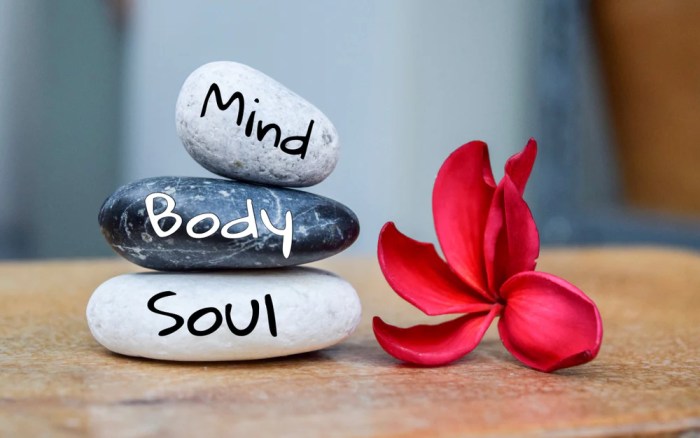
Self-care practices play a crucial role in maintaining holistic health during aging. Taking time to nurture and prioritize our physical, mental, and emotional well-being can greatly impact our overall quality of life as we grow older.
Significance of Self-Care
Self-care activities are essential for promoting well-being in older adults. These practices help reduce stress, improve mood, boost self-esteem, and enhance overall quality of life. By incorporating self-care into daily routines, individuals can better cope with the challenges that come with aging and enjoy a healthier and more fulfilling life.
Examples of Self-Care Activities
- Engaging in regular physical exercise, such as walking, yoga, or swimming
- Practicing mindfulness and meditation to reduce stress and improve mental clarity
- Prioritizing hobbies and activities that bring joy and fulfillment
- Maintaining social connections with friends and loved ones
- Setting boundaries and saying no to activities that drain energy
Tips on Prioritizing Self-Care
- Allocate time each day for self-care activities, even if it’s just a few minutes
- Create a self-care routine that includes activities that nourish your body, mind, and soul
- Listen to your body and mind, and prioritize rest and relaxation when needed
- Practice self-compassion and treat yourself with kindness and understanding
- Seek professional help or support if needed to address any mental or emotional challenges
Closing Summary
In conclusion, prioritizing holistic health during aging is key to living a fulfilling and vibrant life. By incorporating the tips and strategies Artikeld here, you can proactively take charge of your well-being as you age.
Question & Answer Hub
How can I boost my immune system as I age?
To boost your immune system, focus on a nutrient-rich diet, regular exercise, quality sleep, and stress management. These practices can support your immune health and help prevent illnesses.
What are some self-care activities I can incorporate into my daily routine?
Self-care activities like meditation, yoga, spending time outdoors, and engaging in hobbies can promote well-being and reduce stress. Prioritize self-care to enhance your holistic health during aging.
Is preventive care important for aging individuals?
Yes, preventive care measures such as regular health check-ups, screenings, and vaccinations are crucial for maintaining overall health and detecting any potential issues early on. Make preventive care a priority in your daily routine.


