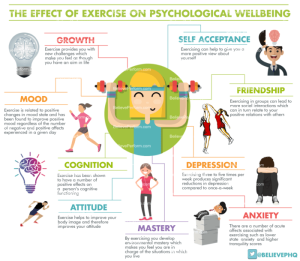
Delving into How regular exercise boosts immune system function, this introduction immerses readers in a unique and compelling narrative. Regular exercise is not just about physical fitness; it plays a crucial role in boosting our immune system function as well.
By understanding the connection between physical activity and immune response, we can unlock the key to a healthier life.
In the following sections, we will explore the various ways in which regular exercise positively impacts our immune system, providing insights and tips for incorporating physical fitness into our daily routine for optimal health and well-being.
Balanced Diet
Maintaining a balanced diet is crucial for supporting the immune system and overall health. A variety of nutrients from different food groups play a key role in boosting immune function and keeping our bodies strong and resilient.
Nutrient-Rich Foods for Immune Support
Eating nutrient-rich foods can provide the essential vitamins, minerals, and antioxidants needed to support a healthy immune system. Some examples of immune-boosting foods include:
- Citrus fruits like oranges and grapefruits, which are high in vitamin C known for its immune-boosting properties.
- Leafy greens such as spinach and kale, rich in vitamins A and C, as well as antioxidants that help protect cells from damage.
- Yogurt and other probiotic-rich foods that support gut health, where a significant portion of the immune system resides.
- Almonds, sunflower seeds, and other nuts and seeds packed with vitamin E, an antioxidant that helps fight off infections.
- Lean proteins like chicken, turkey, and fish, which provide zinc and other nutrients essential for immune function.
Role of Vitamins, Minerals, and Antioxidants
Vitamins, minerals, and antioxidants play crucial roles in maintaining a healthy immune system. For example:
- Vitamin C helps stimulate the production of white blood cells, which are key in fighting infections.
- Vitamin D supports immune function and helps regulate the body’s response to pathogens.
- Zinc is essential for the development and function of immune cells and helps reduce the duration of colds.
- A variety of antioxidants, such as vitamin E and beta-carotene, help protect cells from damage caused by free radicals and support immune function.
Tips for Optimal Immune Support
To ensure optimal immune support, it’s important to incorporate a variety of food groups into your diet. Try to include:
- Fruits and vegetables of different colors to ensure a wide range of nutrients.
- Whole grains like brown rice and quinoa for fiber and essential vitamins and minerals.
- Healthy fats from sources like avocado, nuts, and olive oil to support immune function and reduce inflammation.
- Proteins from a mix of animal and plant sources to provide a range of amino acids necessary for immune health.
Mental Wellness
Regular exercise and a balanced diet are essential for a strong immune system, but mental wellness also plays a crucial role in overall health and immunity. The mind and body are interconnected, and emotional well-being can significantly impact the immune system’s function.
Connection between Mental Wellness and Immune System Function
Emotional stress and anxiety can weaken the immune system, making the body more susceptible to infections and illnesses. Chronic stress can lead to inflammation in the body, which hinders the immune response. On the other hand, positive emotions and a calm mindset can boost immune function and promote overall health.
Stress Management and Immune System
Effective stress management techniques such as mindfulness meditation, deep breathing exercises, yoga, and regular physical activity can help reduce stress levels. Lowering stress hormones like cortisol can enhance the immune system’s ability to fight off pathogens and maintain optimal health.
Role of Positive Mindset in Supporting Health
A positive mindset can have a profound impact on immune function by reducing inflammation, improving cardiovascular health, and enhancing overall well-being. Optimism and resilience can help the body adapt to stressors more effectively, leading to a stronger immune response.
Strategies for Promoting Emotional Balance
- Practice mindfulness and meditation daily to reduce stress and promote relaxation.
- Engage in regular physical exercise to release endorphins and improve mood.
- Cultivate strong social connections and seek support from friends and family.
- Get enough sleep to support cognitive function and emotional well-being.
- Seek professional help if needed to address underlying mental health issues and promote emotional balance.
Physical Fitness
Regular exercise plays a crucial role in boosting immune system function by promoting circulation, reducing inflammation, and supporting the body’s ability to fight off infections. Let’s explore how different types of physical activities can contribute to a stronger immune system.
Types of Physical Activities to Boost Immune Function
- Cardiovascular Exercise: Activities like running, cycling, or swimming can improve cardiovascular health, which in turn enhances immune system resilience.
- Strength Training: Building muscle through weightlifting or resistance exercises can help reduce inflammation and support overall immune function.
- Yoga and Pilates: These mind-body exercises can reduce stress levels, which can have a positive impact on immune health.
Recommendations for Incorporating Daily Activity for Immune Support
- Set aside at least 30 minutes a day for physical activity, whether it’s a brisk walk, a workout at the gym, or a yoga session.
- Find activities that you enjoy to make exercise a sustainable part of your routine.
- Combine different types of exercises to target different aspects of immune function, such as cardiovascular health and stress reduction.
Link Between Cardio Health and Immune System Resilience
Regular cardio exercise can improve cardiovascular health by strengthening the heart and improving circulation. This, in turn, enhances the body’s ability to deliver immune cells and nutrients to where they are needed most. By maintaining a healthy cardiovascular system, you can better support your immune system in fighting off infections and illnesses.
Adequate Hydration
Proper hydration is essential for maintaining a healthy immune system. Water plays a crucial role in flushing out toxins from the body and supporting overall immunity.
Importance of Hydration for Immune System
- Water helps in carrying oxygen and nutrients to cells, aiding in their proper functioning.
- Hydration supports the production of lymph, which is essential for a strong immune response.
- Dehydration can weaken the immune system, making the body more susceptible to illnesses.
Guidelines for Staying Hydrated
- Drink at least 8-10 glasses of water per day to ensure adequate hydration.
- Monitor your urine color – clear or light yellow indicates proper hydration.
- Include hydrating foods like fruits and vegetables in your diet.
Tips for Incorporating Hydration into Daily Routine
- Carry a reusable water bottle with you to remind yourself to drink water throughout the day.
- Set reminders on your phone or use apps to track your water intake.
- Flavor water with fruits or herbs to make it more enjoyable.
Regular Exercise
Regular exercise plays a crucial role in boosting immune system function. By engaging in consistent physical activity, you can significantly enhance your body’s ability to fight off infections and illnesses. This is due to the various positive effects exercise has on different aspects of immune response.
Benefits of Consistent Exercise on Immune System Response
Regular exercise helps improve the circulation of white blood cells in the body, which are essential for fighting off pathogens. It also reduces inflammation and supports the release of endorphins, which can help lower stress levels that may weaken the immune system.
- Enhances immune cell activity: Exercise increases the activity of immune cells, such as T cells and macrophages, which play a vital role in identifying and destroying harmful invaders.
- Improves antibody response: Physical activity can enhance the production of antibodies, boosting the body’s ability to recognize and neutralize pathogens.
- Reduces chronic inflammation: Chronic inflammation can impair immune function. Regular exercise helps reduce inflammation markers in the body, promoting a healthier immune response.
Relationship Between Physical Fitness and Immune Function
Physical fitness and immune function are closely interconnected. A stronger, healthier body resulting from regular exercise is better equipped to fend off infections and diseases. Individuals who maintain a good level of physical fitness often experience fewer and less severe illnesses.
Exercise is like a tune-up for the immune system, making it more efficient and effective in combatting threats to your health.
Examples of Exercise Routines for Immune Enhancement
There are various types of exercises that can specifically enhance immunity, such as:
- Aerobic exercises: Running, cycling, or swimming can improve cardiovascular health and boost immune function.
- Strength training: Lifting weights or bodyweight exercises can help build muscle mass and strengthen the immune system.
- Yoga or Pilates: These activities can reduce stress levels, improve flexibility, and support immune health.
Creating a Sustainable Workout Plan for Immune Support, How regular exercise boosts immune system function
To create a sustainable workout plan that supports immune function, consider the following tips:
- Set realistic goals: Start with manageable exercise routines and gradually increase intensity and duration.
- Include variety: Incorporate different types of exercises to target various muscle groups and keep your routine engaging.
- Rest and recovery: Allow your body time to rest and recover between workouts to prevent burnout and support immune system repair.
- Stay consistent: Aim for regular exercise sessions throughout the week to maintain the benefits for your immune system.
Healthy Lifestyle
Adopting a healthy lifestyle plays a crucial role in strengthening the immune system. By incorporating habits that promote overall health, individuals can better support their immune function and reduce the risk of infections.
Tips for Maintaining Overall Health
- A balanced diet rich in fruits, vegetables, whole grains, and lean proteins provides essential nutrients for immune function.
- Getting an adequate amount of sleep each night helps the body recharge and supports immune health.
- Managing stress through practices like meditation, yoga, or deep breathing can reduce inflammation and boost immunity.
- Regular physical activity not only improves overall health but also enhances immune function.
- Limiting alcohol consumption and avoiding smoking can help protect the immune system from damage.
Importance of Holistic Health Practices
Holistic health practices focus on treating the body as a whole, addressing physical, mental, and emotional well-being. By taking a comprehensive approach to health, individuals can strengthen their immune system and improve overall resilience against illnesses.
Habits Contributing to a Healthy Lifestyle
- Practicing good hygiene, such as washing hands regularly, helps prevent the spread of infections.
- Engaging in regular health screenings and check-ups can catch potential health issues early and prevent complications.
- Cultivating social connections and maintaining a supportive network of friends and family positively impacts both mental and physical health.
- Engaging in hobbies and activities that bring joy and reduce stress can have a profound effect on overall well-being and immune function.
Preventive Care
Regular preventive care plays a crucial role in supporting the resilience of the immune system. By taking proactive steps to maintain overall health and well-being, individuals can enhance their immunity and reduce the risk of falling ill. Implementing preventive measures is key to strengthening the immune system and minimizing the impact of illnesses.
Importance of Preventive Care
Preventive care involves a range of strategies aimed at promoting health and preventing diseases before they occur. When it comes to immune system health, preventive care measures can significantly boost immunity and protect the body from infections.
- Ensuring a balanced diet rich in essential nutrients and vitamins is a fundamental preventive measure that supports immune function. Nutrient deficiencies can weaken the immune system, making the body more susceptible to infections.
- Regular exercise not only boosts immunity but also contributes to overall well-being. Physical activity helps improve circulation, reduce inflammation, and enhance the body’s ability to fight off infections.
- Adequate sleep is crucial for immune system health. Lack of sleep can weaken the immune response, making it harder for the body to fend off pathogens.
Regular Health Check-Ups
Regular health check-ups are essential for monitoring overall health and detecting any potential issues early on. These check-ups can help identify risk factors that may compromise immune system function and allow for timely intervention.
- Annual physical exams can provide valuable insights into your overall health status, allowing healthcare providers to address any concerns and recommend necessary interventions.
- Screening tests for conditions such as diabetes, high cholesterol, and hypertension can help manage these risk factors and prevent them from impacting immune system health.
- Vaccinations are a crucial aspect of preventive care that can help strengthen immunity against specific diseases. Keeping up to date with recommended vaccinations can provide added protection against infections.
Epilogue

In conclusion, the benefits of regular exercise on immune system function cannot be understated. By making physical activity a priority in our lives, we not only improve our fitness levels but also enhance our body’s ability to fight off infections and diseases.
Remember, a strong immune system is key to a long and healthy life.
FAQ: How Regular Exercise Boosts Immune System Function
How does regular exercise specifically boost immune system function?
Regular exercise helps to flush bacteria out of the lungs and airways, increases circulation of white blood cells, and causes changes in antibodies and white blood cells that help the immune system fight off infections.
Is there a recommended type of exercise that is most effective for boosting immune system function?
Aerobic exercises like walking, jogging, or cycling are particularly beneficial for enhancing immune system function as they increase the circulation of antibodies and white blood cells.
How often should one engage in physical activity to see improvements in immune system function?
Experts recommend at least 150 minutes of moderate exercise per week to see significant improvements in immune system function and overall health.