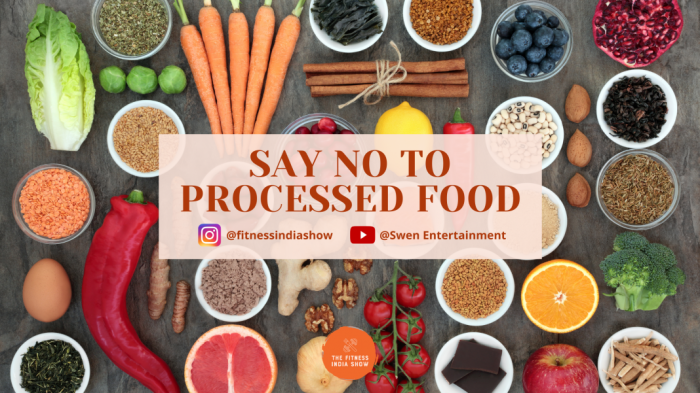
How to avoid processed foods for a healthier lifestyle takes center stage in this insightful discussion. Dive into the world of nutritious eating habits and discover practical ways to enhance your well-being.
Learn about the impact of processed foods on various aspects of your health and explore the benefits of embracing whole, nutrient-rich alternatives.
Balanced Diet
Eating a balanced diet is essential when trying to avoid processed foods. A balanced diet ensures that your body receives all the necessary nutrients it needs to function properly, reducing the cravings for unhealthy processed options.
Examples of Nutrient-Dense Whole Foods
- Fruits and vegetables: Packed with vitamins, minerals, and antioxidants, these colorful foods are a great replacement for sugary snacks or processed juices.
- Whole grains: Opt for whole grains like quinoa, brown rice, and oats instead of processed white bread or pasta for a fiber-rich option.
- Lean proteins: Choose lean sources of protein such as chicken, fish, tofu, or legumes over processed meats like sausages or deli cuts.
- Healthy fats: Incorporate sources of healthy fats like avocados, nuts, seeds, and olive oil into your diet to replace processed trans fats found in many packaged foods.
Importance of a Balanced Diet
A balanced diet not only helps you avoid processed foods but also contributes to your overall health and well-being. By consuming a variety of nutrient-dense whole foods, you can improve your energy levels, boost your immune system, maintain a healthy weight, and reduce the risk of chronic diseases.
Remember, a balanced diet is key to a healthier lifestyle!
Mental Wellness
Processed foods have been linked to negative impacts on mental health due to their high levels of unhealthy fats, sugars, and additives. These ingredients can lead to inflammation in the brain, affecting cognitive functions and mood regulation.
Strategies for Improving Mental Wellness through Diet Choices
- Aim for a balanced diet rich in fruits, vegetables, whole grains, lean proteins, and healthy fats to provide essential nutrients for brain health.
- Limit consumption of processed foods, sugary drinks, and excessive caffeine, as they can contribute to mood swings and energy crashes.
- Incorporate foods high in omega-3 fatty acids, such as salmon, walnuts, and flaxseeds, to support brain function and reduce symptoms of depression.
- Stay hydrated by drinking plenty of water throughout the day, as dehydration can negatively impact cognitive abilities and mood.
Impact of Avoiding Processed Foods on Mental Well-being
- By avoiding processed foods, individuals can reduce their intake of artificial additives and preservatives that may disrupt neurotransmitter function in the brain.
- Eating whole, unprocessed foods can help stabilize blood sugar levels, which is crucial for maintaining a balanced mood and preventing irritability or mood swings.
- Choosing nutrient-dense foods over processed options can improve overall mental clarity, focus, and emotional well-being.
Physical Fitness
Maintaining physical fitness is crucial for overall health and well-being. Along with regular exercise, a balanced diet plays a significant role in supporting physical fitness goals. The food we consume provides the energy and nutrients needed to fuel our bodies during exercise and aid in muscle recovery.
The Impact of Processed Foods on Energy Levels and Exercise Performance
Processed foods, which are often high in added sugars, unhealthy fats, and artificial ingredients, can have a negative impact on energy levels and exercise performance. These foods are typically low in essential nutrients and fiber, leading to quick spikes and crashes in blood sugar levels.
This can result in fatigue, decreased endurance, and poor exercise performance.To fuel the body for optimal physical fitness, it is essential to focus on consuming whole foods that are nutrient-dense and provide sustained energy. Here are some tips for incorporating whole foods into your diet:
- Choose lean sources of protein such as poultry, fish, legumes, and nuts to support muscle growth and repair.
- Incorporate a variety of colorful fruits and vegetables to ensure a good intake of vitamins, minerals, and antioxidants.
- Opt for complex carbohydrates like whole grains, sweet potatoes, and quinoa to sustain energy levels during workouts.
- Aim to include healthy fats from sources like avocados, olive oil, and nuts to support overall health and provide lasting energy.
- Stay hydrated by drinking an adequate amount of water throughout the day, especially before, during, and after exercise.
Adequate Hydration
Staying hydrated is crucial for maintaining overall health. Water is essential for various bodily functions such as regulating body temperature, aiding digestion, and transporting nutrients. Dehydration can lead to fatigue, headaches, and even impair cognitive function.
Reducing Cravings for Processed Foods
Hydration plays a key role in reducing cravings for processed foods. Often, our bodies can mistake thirst for hunger, leading us to reach for unhealthy snacks. By staying properly hydrated, we can better differentiate between thirst and hunger cues, reducing the temptation to consume processed foods.
Incorporating More Water-Rich Foods
One effective way to increase hydration is by incorporating more water-rich foods into your diet. Foods like cucumbers, watermelon, strawberries, and lettuce have high water content and can contribute to your daily fluid intake. Additionally, soups, smoothies, and herbal teas are great options to stay hydrated while enjoying flavorful beverages.
Regular Exercise
Regular exercise plays a crucial role in maintaining overall health and well-being. It not only helps in managing weight but also improves mood, boosts energy levels, and reduces the risk of chronic diseases. When it comes to the relationship between exercise routine and food choices, what you eat before and after a workout can significantly impact your performance and recovery.
Enhancing Exercise Benefits with Whole Foods
Eating whole, unprocessed foods can enhance the benefits of regular exercise by providing the necessary nutrients for optimal performance and recovery. Processed foods high in added sugars, unhealthy fats, and artificial ingredients can hinder your progress and lead to sluggishness during workouts.
- Avoid processed snacks like granola bars, energy drinks, or protein bars that are loaded with artificial additives and preservatives.
- Opt for whole foods such as fruits, nuts, Greek yogurt, or whole grain toast with nut butter as pre-workout snacks to fuel your body with natural energy.
- After a workout, refuel with nutrient-dense options like a smoothie with leafy greens, berries, and protein powder, or a turkey and avocado wrap with whole grain tortilla.
Healthy Lifestyle
Choosing to avoid processed foods is a key component of maintaining a healthy lifestyle. Processed foods are often high in unhealthy fats, sugars, and additives that can have a negative impact on our overall health.
Benefits of Choosing Whole Foods
Opting for whole foods over processed alternatives comes with a range of long-term benefits. Whole foods are typically more nutrient-dense, providing essential vitamins, minerals, and antioxidants that our bodies need to function optimally. They also tend to be lower in added sugars and unhealthy fats, reducing the risk of chronic conditions such as obesity, heart disease, and diabetes.
- Improved Digestive Health: Whole foods are easier for our bodies to digest, leading to better nutrient absorption and a healthier gut microbiome.
- Weight Management: Whole foods are more filling and satisfying than processed foods, making it easier to maintain a healthy weight.
- Enhanced Energy Levels: Nutrient-rich whole foods provide a steady source of energy throughout the day, reducing the need for sugary snacks and caffeine.
Tips for Mindful Food Choices
When it comes to maintaining a healthy lifestyle through food choices, mindfulness is key. Here are some tips to help you make more conscious decisions about what you eat:
- Read Labels Carefully: Avoid products with long lists of ingredients, especially ones with unrecognizable names or high amounts of added sugars and unhealthy fats.
- Focus on Whole, Single-Ingredient Foods: Choose foods in their natural state, such as fruits, vegetables, whole grains, lean proteins, and healthy fats.
- Cook at Home: By preparing your meals from scratch, you have full control over the ingredients used and can ensure you’re consuming wholesome foods.
- Stay Hydrated: Remember to drink plenty of water throughout the day to support digestion, metabolism, and overall well-being.
- Practice Moderation: While it’s important to prioritize whole foods, it’s also okay to enjoy your favorite treats in moderation to maintain balance and prevent feelings of deprivation.
Nutrient-Rich
Consuming nutrient-rich foods is essential for maintaining a healthy diet and overall well-being. These foods are packed with vitamins, minerals, antioxidants, and other essential nutrients that are vital for various bodily functions.
List of Nutrient-Dense Foods
Include the following foods in your processed-food-free meal plan to ensure you are getting a good balance of nutrients:
- Leafy green vegetables like spinach, kale, and Swiss chard
- Colorful fruits such as berries, oranges, and apples
- Lean proteins like chicken, turkey, tofu, and legumes
- Whole grains like quinoa, brown rice, and oats
- Healthy fats from sources like avocados, nuts, and seeds
Impact of Nutrient-Rich Foods
Consuming a diet rich in nutrient-dense foods can have a profound impact on your overall health and well-being. These foods provide the necessary nutrients for optimal body function, support a strong immune system, and help prevent chronic diseases such as heart disease, diabetes, and cancer.
They also promote healthy digestion, skin, hair, and nails, and contribute to increased energy levels and mental clarity.
Stress Management
Managing stress is crucial for overall well-being, as high stress levels can lead to a range of health issues. The relationship between stress and processed food consumption is significant, as many people turn to these foods as a form of comfort during stressful times.
However, processed foods high in sugars, fats, and additives can actually exacerbate stress levels and have negative effects on both physical and mental health.
Strategies for Managing Stress without Processed Comfort Foods
- Avoid processed foods high in sugars and unhealthy fats, as they can lead to energy crashes and mood swings, making stress management more difficult.
- Engage in stress-relieving activities such as yoga, meditation, deep breathing exercises, or spending time in nature to help reduce stress levels naturally.
- Reach out to friends, family, or a mental health professional for support and guidance during stressful times, instead of turning to processed foods for comfort.
The Role of a Balanced Diet in Stress Management
A balanced diet plays a key role in managing stress effectively. Nutrient-rich foods can help regulate mood, energy levels, and overall well-being, making it easier to cope with stress in a healthy way. Including plenty of fruits, vegetables, whole grains, lean proteins, and healthy fats in your diet can provide the necessary nutrients to support your body and mind during stressful periods.
Preventive Care
Processed foods are often packed with unhealthy additives, preservatives, and high levels of sugar and salt, which can contribute to a range of chronic diseases. By avoiding processed foods, individuals can take a significant step towards preventive healthcare and overall well-being.
Role of Diet in Preventing Chronic Diseases
Eating a diet rich in whole foods plays a crucial role in preventing chronic diseases that are linked to the consumption of processed foods. Whole foods such as fruits, vegetables, whole grains, nuts, seeds, and lean proteins are nutrient-dense and provide essential vitamins, minerals, antioxidants, and fiber that support a healthy immune system and reduce the risk of developing conditions like heart disease, diabetes, obesity, and certain types of cancer.
- Leafy greens like spinach and kale are rich in antioxidants that protect cells from damage and reduce inflammation, lowering the risk of chronic diseases.
- Berries such as blueberries, strawberries, and raspberries are packed with vitamins, minerals, and phytochemicals that support heart health and cognitive function.
- Fatty fish like salmon, mackerel, and sardines are excellent sources of omega-3 fatty acids, which have anti-inflammatory properties and are beneficial for heart health.
- Whole grains like quinoa, brown rice, and oats provide fiber that aids in digestion, regulates blood sugar levels, and reduces the risk of developing diabetes and obesity.
Proper Nutrition
Proper nutrition is essential for overall health and well-being. It involves consuming a well-rounded, nutritionally balanced diet that provides the necessary nutrients for the body to function optimally. When it comes to avoiding processed foods, focusing on proper nutrition is key.
Components of a Well-Rounded Diet
- Include a variety of fruits and vegetables to ensure a range of vitamins and minerals.
- Incorporate lean proteins such as poultry, fish, beans, and nuts for muscle repair and growth.
- Choose whole grains like quinoa, brown rice, and oats for sustained energy.
- Include healthy fats from sources like avocados, olive oil, and nuts for brain health and hormone regulation.
- Don’t forget about dairy or dairy alternatives for calcium and vitamin D.
Importance of Proper Nutrition in Avoiding Processed Foods
Proper nutrition not only provides the essential nutrients your body needs to function but also helps reduce cravings for processed foods that are often high in sugar, sodium, and unhealthy fats. By focusing on whole, nutrient-rich foods, you can avoid the pitfalls of processed products that may contribute to health issues in the long run.
Tips for Ensuring Adequate Nutrition Without Processed Products
- Plan and prep meals ahead of time to have healthy options readily available.
- Read labels carefully and choose products with minimal ingredients and no added sugars or artificial additives.
- Opt for fresh, whole foods whenever possible and limit packaged and processed items in your grocery cart.
- Experiment with herbs and spices to enhance flavor in your dishes without relying on processed seasonings.
- Stay hydrated by drinking plenty of water throughout the day to support digestion and overall health.
Quality Sleep
Having quality sleep is crucial for overall health and well-being. The quality of your sleep can be influenced by various factors, including your diet and lifestyle choices.
Impact of Diet on Sleep Quality and Patterns
- Consuming processed foods high in sugar and unhealthy fats can lead to poor sleep quality.
- These foods can disrupt your hormones and negatively affect your circadian rhythm, making it difficult to fall asleep and stay asleep.
- On the other hand, a diet rich in whole, nutrient-dense foods can promote better sleep by providing essential nutrients that support relaxation and sleep regulation.
How Avoiding Processed Foods Can Improve Sleep Hygiene
- Avoiding processed foods can help stabilize blood sugar levels, reducing the likelihood of waking up in the middle of the night due to fluctuations in blood glucose.
- Processed foods often contain artificial additives and preservatives that can interfere with your body’s natural sleep-wake cycle.
- Opting for whole foods can provide your body with the nutrients it needs to promote restful sleep and improve overall sleep hygiene.
Tips for Creating a Bedtime Routine that Supports Quality Sleep
- Establish a consistent sleep schedule by going to bed and waking up at the same time every day, even on weekends.
- Create a relaxing bedtime routine that includes activities like reading, meditating, or taking a warm bath to signal to your body that it’s time to wind down.
- Avoid screens and stimulating activities before bed, as the blue light emitted by devices can suppress melatonin production and disrupt your sleep cycle.
- Ensure your sleep environment is conducive to rest by keeping your bedroom cool, dark, and quiet.
Cardio Health
Processed foods are often high in unhealthy fats, sugars, and sodium, which can contribute to various cardiovascular issues such as high cholesterol, hypertension, and heart disease. The excessive consumption of processed foods can lead to inflammation in the body, putting extra strain on the heart and blood vessels.
Benefits of Whole Foods for Heart Health
Eating a diet rich in whole foods such as fruits, vegetables, whole grains, nuts, seeds, and lean proteins can significantly support heart health. These foods are packed with essential nutrients like fiber, antioxidants, vitamins, and minerals that can help lower cholesterol levels, regulate blood pressure, and improve overall cardiovascular function.
- Leafy green vegetables like spinach and kale are rich in vitamin K, which helps prevent calcium buildup in the arteries.
- Fatty fish such as salmon and mackerel are high in omega-3 fatty acids, known for their anti-inflammatory properties and heart-protective benefits.
- Oats and barley are excellent sources of soluble fiber, which can help reduce cholesterol levels and improve heart health.
- Berries like blueberries and strawberries are packed with antioxidants that can help reduce oxidative stress and inflammation in the body.
- Nuts and seeds like almonds, walnuts, and chia seeds are great sources of healthy fats, fiber, and plant-based proteins that support heart health.
Immune Boost: How To Avoid Processed Foods For A Healthier Lifestyle
Having a strong immune system is crucial for overall health and well-being. A balanced diet plays a significant role in boosting the immune system and protecting the body from illnesses and infections. Avoiding processed foods is essential in strengthening immunity as these foods are often high in added sugars, unhealthy fats, and artificial ingredients that can weaken the immune response.
Immune-Boosting Foods, How to avoid processed foods for a healthier lifestyle
Including immune-boosting foods in a balanced, whole-foods diet can provide the necessary nutrients to support a healthy immune system. Here are some examples of foods to incorporate:
- Citrus fruits like oranges, lemons, and grapefruits are rich in vitamin C, which helps boost the production of white blood cells.
- Garlic contains compounds that have been shown to enhance immune function and reduce the severity of colds and flu.
- Yogurt and other probiotic-rich foods help maintain a healthy gut microbiome, which is essential for a strong immune system.
- Almonds are a good source of vitamin E, an antioxidant that can help protect immune cells from damage.
Positive Mindset
Maintaining a positive mindset is crucial for overall well-being, and our food choices play a significant role in influencing our mood and mindset. The nutrients we consume can impact brain function, energy levels, and even emotions. By incorporating mood-boosting foods into our diet, we can support a positive outlook on life.
Mood-Boosting Foods
- Dark leafy greens: Rich in folate, these greens can help regulate mood and reduce symptoms of depression.
- Fatty fish: Omega-3 fatty acids found in fish like salmon can enhance brain function and improve mood.
- Berries: Packed with antioxidants, berries can help reduce inflammation and protect against oxidative stress, promoting a positive mindset.
- Nuts and seeds: Almonds, walnuts, and chia seeds are great sources of healthy fats and magnesium, which are essential for brain health and mood regulation.
- Avocados: Loaded with monounsaturated fats and potassium, avocados can help lower stress levels and support a positive mood.
Clean Eating
Clean eating is a lifestyle approach that focuses on consuming whole, unprocessed foods in their most natural state. This means avoiding foods that are highly processed, refined, or contain artificial ingredients. The main goal of clean eating is to prioritize nutrient-rich foods that nourish the body and support overall health.
Benefits of Clean Eating
Clean eating offers numerous benefits for overall health, including:
- Improved digestion and nutrient absorption
- Weight management and better energy levels
- Reduced risk of chronic diseases such as heart disease and diabetes
- Enhanced mental clarity and focus
- Support for a strong immune system
Avoiding Processed Foods in Clean Eating
When following a clean eating approach, it is crucial to avoid processed foods as much as possible. Processed foods are often high in added sugars, unhealthy fats, and artificial additives, which can have negative effects on health. Instead, focus on whole foods such as fruits, vegetables, whole grains, lean proteins, and healthy fats to nourish your body and support optimal health.
Tips for Transitioning to a Clean Eating Lifestyle
To transition to a clean eating lifestyle, consider the following tips:
- Start by gradually reducing processed foods in your diet and replacing them with whole foods.
- Plan and prepare meals ahead of time to ensure you have nutritious options available.
- Read food labels carefully and choose products with minimal ingredients and no added sugars or artificial additives.
- Stay hydrated by drinking plenty of water throughout the day.
- Listen to your body and pay attention to how different foods make you feel.
Daily Activity
Maintaining a balanced diet plays a crucial role in determining our daily energy levels and activity levels. The food choices we make can either fuel our bodies effectively or leave us feeling sluggish and fatigued throughout the day. Opting for whole foods over processed ones can provide sustained energy to support an active lifestyle.
Benefits of Choosing Whole Foods
- Whole foods are rich in nutrients like vitamins, minerals, and antioxidants that are essential for optimal energy levels.
- These foods are also high in fiber, which helps in regulating blood sugar levels and preventing energy crashes.
- Whole foods are free from added sugars, unhealthy fats, and artificial additives commonly found in processed foods, promoting overall well-being.
Examples of Meals and Snacks
- Breakfast: Greek yogurt with fresh fruit and nuts, whole grain toast with avocado and eggs.
- Lunch: Grilled chicken salad with mixed greens, quinoa, and a variety of colorful veggies.
- Snacks: Hummus with veggie sticks, a handful of almonds, homemade trail mix with dried fruits and nuts.
Holistic Health
When it comes to holistic health, it involves taking care of the mind, body, and spirit as a whole. This approach focuses on achieving overall well-being and balance in all aspects of life.
Avoiding processed foods aligns perfectly with a holistic lifestyle as these foods are often stripped of nutrients and loaded with unhealthy additives. By choosing whole, natural foods, you provide your body with the essential nutrients it needs to thrive and function optimally.
Tips for Embracing Holistic Health through Mindful Food Choices
- Aim to eat a variety of colorful fruits and vegetables to ensure you’re getting a wide range of vitamins and minerals.
- Include whole grains, lean proteins, and healthy fats in your diet to support energy levels and overall health.
- Avoid foods high in added sugars, saturated fats, and artificial ingredients, as these can contribute to inflammation and other health issues.
- Stay hydrated by drinking plenty of water throughout the day to support digestion, circulation, and overall wellness.
- Practice mindful eating by paying attention to your hunger cues, savoring each bite, and eating without distractions to promote better digestion and enjoyment of meals.
Mindful Living
Mindful living involves being present in the moment and fully aware of your thoughts, feelings, and actions. One aspect of mindful living is mindful eating, which focuses on paying attention to the sensory experience of eating and being in tune with hunger and fullness cues.
Mindful Eating and Its Benefits
Mindful eating encourages you to savor each bite, appreciate the flavors and textures of food, and listen to your body’s signals. By practicing mindful eating, you can improve digestion, prevent overeating, and develop a healthier relationship with food.
- Avoid distractions while eating, such as watching TV or scrolling through your phone, to fully focus on your meal.
- Eat slowly and chew your food thoroughly to aid digestion and allow your body to recognize when it’s full.
- Pay attention to how different foods make you feel physically and emotionally, helping you make more informed choices.
Avoiding Processed Foods for Mindful Living
Processed foods are often high in added sugars, unhealthy fats, and artificial ingredients, which can disrupt your body’s natural hunger and fullness cues. By choosing whole, nutrient-dense foods over processed options, you can better connect with your body’s needs and promote mindful eating habits.
- Opt for whole fruits and vegetables, lean proteins, whole grains, and healthy fats to nourish your body and mind.
- Read food labels carefully and avoid products with a long list of unfamiliar ingredients or high levels of sugar, sodium, and preservatives.
- Prepare meals at home using fresh ingredients to have more control over what you’re consuming and appreciate the process of cooking.
Incorporating Mindfulness into Meal Planning and Eating Habits
Planning your meals mindfully can help you make healthier choices, reduce stress around food decisions, and enjoy a more balanced diet overall.
- Set aside time each week to plan your meals, considering nutrient balance, variety, and portion sizes.
- Shop for fresh produce, whole grains, and lean proteins to have nutritious options readily available.
- Practice gratitude before eating, acknowledging the effort and nourishment that went into preparing your meal.
Emotional Balance
Maintaining emotional balance is crucial for overall well-being. The connection between diet and emotional health is significant, as the food we consume can directly impact our mood and mental state. Making mindful food choices can help in achieving emotional balance and improving our overall quality of life.
Impact of Avoiding Processed Foods
Avoiding processed foods can have a positive impact on emotional health. Processed foods are often high in refined sugars, unhealthy fats, and artificial additives, which can lead to fluctuations in blood sugar levels and mood swings. By opting for whole, nutrient-rich foods instead, such as fruits, vegetables, whole grains, and lean proteins, we can support stable blood sugar levels and promote a more balanced emotional state.
- Whole foods provide essential nutrients like vitamins, minerals, and antioxidants that support brain health and function, helping to regulate mood and reduce feelings of anxiety and depression.
- Avoiding processed foods can also help in reducing inflammation in the body, which has been linked to mood disorders and mental health issues. Consuming anti-inflammatory foods like fatty fish, nuts, seeds, and leafy greens can support emotional well-being.
- By focusing on a diet rich in whole foods and minimizing processed foods, we can create a more stable emotional foundation, leading to improved mental clarity, focus, and resilience in the face of stress and challenges.
Health Education
Educating oneself about food choices and their impact on health is crucial for maintaining a healthy lifestyle. By understanding the effects of processed foods and their alternatives, individuals can make informed decisions to improve their overall well-being.
Importance of Health Education
Health education plays a vital role in empowering individuals to take control of their dietary habits and make choices that benefit their health. By learning about the nutritional value of different foods and the potential risks associated with processed foods, individuals can make conscious decisions to prioritize their well-being.
Resources for Learning
- Consulting reputable websites such as the American Heart Association or the Academy of Nutrition and Dietetics for information on healthy eating habits.
- Reading books and articles by nutrition experts like Michael Pollan or Dr. Mark Hyman to gain insights into the impact of food on our bodies.
- Attending workshops or seminars on nutrition and wellness to deepen knowledge and understanding of food choices.
Benefits of Ongoing Health Education
- Empowers individuals to make informed dietary decisions based on knowledge rather than trends or fads.
- Helps individuals develop a deeper understanding of the relationship between food and health, leading to better choices for long-term well-being.
- Promotes a sense of control and agency over one’s health, fostering a proactive approach to wellness.
Self-Care
Eating a diet free of processed foods is a crucial form of self-care that can significantly impact your overall well-being. By making conscious food choices and avoiding processed foods, you are showing care and respect for your body, mind, and health.
Role of Diet in Self-Care
Our diet plays a fundamental role in our self-care practices for overall well-being. The food we consume not only provides us with essential nutrients but also affects our energy levels, mood, and overall health. By prioritizing a balanced and nutrient-rich diet, we can better support our physical, mental, and emotional well-being.
Self-Care Tips with Conscious Food Choices
- Aim to include a variety of whole foods such as fruits, vegetables, whole grains, lean proteins, and healthy fats in your diet.
- Avoid foods high in added sugars, unhealthy fats, and artificial ingredients, as they can negatively impact your health and well-being.
- Practice mindful eating by paying attention to your hunger and fullness cues, as well as savoring the flavors and textures of your food.
- Stay hydrated by drinking an adequate amount of water throughout the day to support your body’s functions and overall health.
- Plan and prepare your meals ahead of time to ensure you have nourishing options available and avoid the temptation of processed foods.
Chronic Disease
Processed foods are often high in unhealthy fats, sugars, and additives, which can contribute to the development of chronic diseases such as heart disease, diabetes, and obesity. These foods lack essential nutrients and are linked to inflammation in the body, leading to long-term health issues.
Link Between Processed Food Consumption and Chronic Diseases
Processed foods have been associated with an increased risk of chronic diseases due to their high levels of refined sugars, trans fats, and preservatives. These ingredients can lead to obesity, insulin resistance, high blood pressure, and other risk factors for chronic conditions.
By reducing the consumption of processed foods, individuals can lower their risk of developing these diseases.
- Choose whole foods over processed options to reduce intake of added sugars, unhealthy fats, and artificial ingredients.
- Read food labels carefully and avoid products with long lists of unrecognizable ingredients.
- Cook meals at home using fresh ingredients to have better control over the quality of your food.
Whole Foods for Preventing Chronic Conditions
Including nutrient-rich whole foods in your diet can help prevent and manage chronic diseases by providing essential vitamins, minerals, and antioxidants. These foods can support overall health and reduce inflammation in the body.
- Fatty fish like salmon, rich in omega-3 fatty acids, can help lower the risk of heart disease and improve cholesterol levels.
- Leafy greens such as spinach and kale are packed with vitamins and minerals that support immune function and reduce inflammation.
- Whole grains like quinoa and brown rice provide fiber and nutrients that can help regulate blood sugar levels and reduce the risk of diabetes.
Final Thoughts
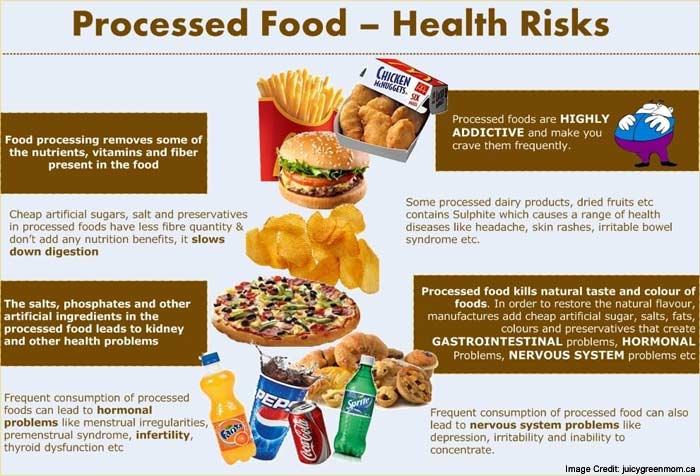
In conclusion, making conscious choices to avoid processed foods can significantly improve your overall health and vitality. By prioritizing whole foods and mindful eating practices, you pave the way for a healthier, more vibrant lifestyle.
Questions and Answers
How can I replace processed foods with nutrient-dense alternatives?
To replace processed foods, focus on whole foods like fruits, vegetables, lean proteins, and whole grains.
What are some strategies for reducing cravings for processed foods?
Stay hydrated, eat balanced meals, and keep unhealthy snacks out of sight to reduce cravings.
How can avoiding processed foods improve mental wellness?
Avoiding processed foods can stabilize blood sugar levels and support a balanced mood, leading to improved mental wellness.
Can regular exercise offset the negative effects of occasional processed food consumption?
While exercise is beneficial, focusing on a diet rich in whole foods is key to long-term health benefits.


