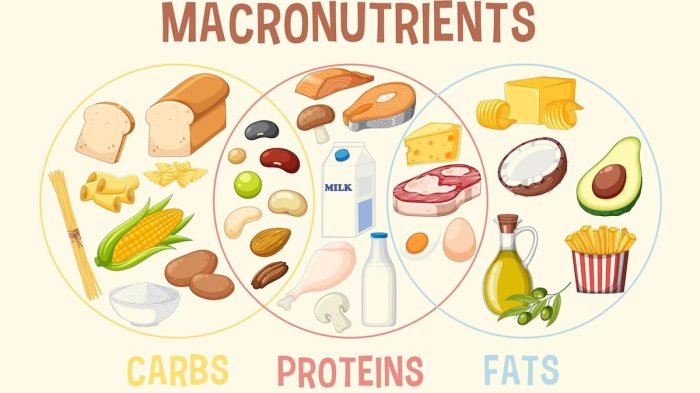
How to balance macronutrients in your daily diet sets the foundation for a healthier lifestyle by understanding the importance of macronutrient intake. Dive into this comprehensive guide to discover the key to a well-rounded diet.
Exploring the relationship between macronutrients and overall health, mental wellness, physical fitness, hydration, and more, this guide provides valuable insights for achieving optimal nutrition.
Balanced Diet
Maintaining a balanced diet is crucial for overall health and well-being. A balanced diet provides the body with the necessary nutrients to function optimally, support growth, and prevent diseases. It involves consuming a variety of foods in appropriate portions to meet the body’s needs.
Macronutrients in a Balanced Diet
Macronutrients are essential nutrients that provide energy and are required in large amounts by the body. The three main macronutrients are carbohydrates, proteins, and fats. Each macronutrient plays a specific role in the body and is necessary for various functions.
- Carbohydrates: Carbohydrates are the body’s primary source of energy. They are found in foods like grains, fruits, vegetables, and legumes. It is recommended that carbohydrates make up about 45-65% of daily caloric intake for an average adult.
- Proteins: Proteins are essential for building and repairing tissues, as well as supporting immune function. Good sources of protein include meat, poultry, fish, eggs, dairy products, legumes, and nuts. The recommended daily intake of protein for an average adult is around 10-35% of total caloric intake.
- Fats: Fats are important for energy storage, hormone production, and nutrient absorption. Healthy fats can be found in foods like avocados, nuts, seeds, and olive oil. It is advised that fats should make up about 20-35% of the daily caloric intake for an average adult.
Mental Wellness
Consuming a balanced diet not only impacts physical health but also plays a crucial role in maintaining mental wellness. The foods we eat provide essential nutrients that support brain function and regulate mood.
Connection between Macronutrients and Brain Function
- Proteins: Proteins are made up of amino acids, which are essential for neurotransmitter production. Neurotransmitters are chemical messengers that regulate mood, behavior, and cognitive function.
- Carbohydrates: Carbohydrates are the brain’s primary source of energy. Consuming complex carbohydrates like whole grains can help sustain energy levels and improve mental clarity.
- Fats: Omega-3 fatty acids, found in foods like salmon and walnuts, are crucial for brain health. They support cognitive function, memory, and overall brain performance.
Contribution to Improved Mood and Cognitive Function
Maintaining a balanced diet that includes a variety of macronutrients can contribute to improved mood and cognitive function. Nutrient-dense foods provide the brain with the necessary building blocks to function optimally, leading to better concentration, memory, and overall mental well-being.
Physical Fitness
Maintaining a balanced macronutrient intake is crucial for supporting physical fitness and optimizing performance during exercise. The right balance of carbohydrates, proteins, and fats can provide the necessary energy and nutrients needed for physical activities.
Examples of Macronutrient-Rich Foods
Including a variety of macronutrient-rich foods in your diet can help enhance physical performance. Here are some examples:
- Carbohydrates: Whole grains, fruits, vegetables, and legumes provide a good source of energy for endurance activities.
- Proteins: Lean meats, poultry, fish, eggs, dairy products, tofu, and legumes are essential for muscle repair and growth.
- Fats: Healthy sources of fats like avocados, nuts, seeds, and olive oil can provide sustained energy for longer workouts.
Importance of Macronutrient Balance for Energy Levels
Balancing macronutrients in your diet is essential for maintaining optimal energy levels during exercise. Carbohydrates are the body’s primary source of energy, while proteins aid in muscle repair and recovery. Fats provide a source of long-lasting energy, especially during endurance activities.
Ensuring a proper balance of these macronutrients can help improve performance, prevent fatigue, and support overall physical fitness goals.
Adequate Hydration
Hydration plays a crucial role in supporting macronutrient absorption in the body. It helps transport essential nutrients to cells, aids in digestion, and regulates body temperature.
Tips for Staying Hydrated
- Carry a reusable water bottle with you throughout the day to remind yourself to drink water regularly.
- Set reminders on your phone or use hydration tracking apps to monitor your water intake.
- Infuse your water with fruits or herbs to add flavor and make it more enjoyable to drink.
- Drink a glass of water before meals to help with digestion and prevent overeating.
Impact of Dehydration on Nutrient Utilization
Dehydration can significantly impact nutrient utilization in the body. When you are dehydrated, your body may struggle to absorb macronutrients effectively, leading to nutrient deficiencies and decreased energy levels. Proper hydration is essential for optimal nutrient absorption and overall health.
Regular Exercise
Regular exercise is a crucial component of a healthy lifestyle, working hand in hand with a balanced diet to optimize overall health. When combined, these two elements can help improve physical fitness, mental wellness, and maintain a healthy weight.
Benefits of Macronutrient Consumption Before and After Exercise
Consuming the right balance of macronutrients before and after exercise is essential to fuel your body and aid in recovery. Here are the benefits of each macronutrient before and after a workout:
- Carbohydrates:Before exercise, carbohydrates provide the energy needed for physical activity. After exercise, they help replenish glycogen stores and promote muscle recovery. Examples of pre-workout carbohydrates include a banana or whole grain toast, while post-workout options include sweet potatoes or quinoa.
- Protein:Before exercise, protein helps support muscle function and repair. After exercise, it is crucial for muscle recovery and growth. Good sources of pre-workout protein include Greek yogurt or a protein shake, while post-workout options include chicken breast or tofu.
- Fats:While fats are not typically consumed immediately before or after exercise, they play a role in overall health and should be included in a balanced diet. Healthy fat sources like avocados, nuts, and seeds can be incorporated into meals throughout the day.
Healthy Lifestyle
Balancing macronutrients plays a crucial role in maintaining a healthy lifestyle. By ensuring that you are getting the right combination of proteins, carbohydrates, and fats, you are providing your body with the necessary fuel to function optimally.When it comes to meal planning, it’s important to include a variety of foods that are rich in different macronutrients.
This can be achieved by incorporating lean proteins, whole grains, healthy fats, and plenty of fruits and vegetables into your diet. Planning your meals ahead of time can help you make healthier choices and ensure that you are meeting your macronutrient needs.Maintaining a balanced diet over the long term has numerous benefits for your overall health.
It can help prevent chronic diseases such as heart disease, diabetes, and obesity. Additionally, a balanced diet can improve your energy levels, support weight management, and enhance your mood and mental well-being.
Meal Planning Tips for Macronutrient Adequacy
- Include a source of protein in each meal, such as chicken, fish, tofu, or legumes.
- Incorporate whole grains like brown rice, quinoa, or whole wheat pasta to provide complex carbohydrates.
- Don’t forget to add healthy fats from sources like avocados, nuts, seeds, and olive oil.
- Fill half your plate with colorful fruits and vegetables to boost your nutrient intake.
- Avoid processed foods high in added sugars and unhealthy fats, as they can throw off your macronutrient balance.
Nutrient-Rich
When we talk about foods that are considered nutrient-rich, we are referring to foods that are packed with essential nutrients such as vitamins, minerals, protein, healthy fats, and carbohydrates that are beneficial for our overall health and well-being.
Examples of Macronutrient-Dense Foods
Macronutrient-dense foods are those that provide a high amount of essential macronutrients per serving, helping you meet your daily nutrient requirements more efficiently. Here are some examples of macronutrient-dense foods:
- Salmon: Rich in protein and healthy fats like omega-3 fatty acids.
- Quinoa: A complete protein source with essential amino acids and complex carbohydrates.
- Avocado: Packed with healthy monounsaturated fats, fiber, and vitamins.
- Greek Yogurt: High in protein, calcium, and probiotics for gut health.
Importance of Incorporating Nutrient-Rich Foods
Incorporating nutrient-rich foods into your daily meals is crucial for maintaining optimal health and supporting your body’s functions. These foods provide essential nutrients that are necessary for energy production, immune function, tissue repair, and overall well-being. By including a variety of nutrient-rich foods in your diet, you can ensure that you are getting all the essential nutrients your body needs to thrive.
Stress Management
When it comes to managing stress, the role of macronutrients in our diet cannot be overlooked. Our food choices play a significant role in how our bodies respond to stress and how we can promote relaxation. Understanding the relationship between macronutrient intake and stress levels is crucial for overall well-being.
Impact of Macronutrients on Stress Response
Adequate intake of macronutrients such as carbohydrates, proteins, and fats can impact our body’s stress response in various ways. Carbohydrates, for example, can help regulate serotonin levels in the brain, which is a neurotransmitter that promotes feelings of calmness and well-being.
Including complex carbohydrates like whole grains, fruits, and vegetables in our diet can help stabilize blood sugar levels and prevent mood swings associated with stress.Proteins are essential for the production of neurotransmitters like dopamine and norepinephrine, which play a role in regulating mood and stress.
Including protein-rich foods like lean meats, fish, eggs, and legumes can support a balanced stress response in the body.Healthy fats, such as omega-3 fatty acids found in fatty fish, nuts, and seeds, are important for brain health and can help reduce inflammation in the body.
Inflammation has been linked to increased stress levels, so incorporating sources of healthy fats can have a positive impact on managing stress.
Role of Balanced Diet in Managing Stress
Maintaining a balanced diet that includes a variety of nutrient-rich foods is essential for managing stress and promoting relaxation. Nutrient deficiencies can exacerbate stress levels and impact our ability to cope with daily challenges. By ensuring we consume a variety of macronutrients in the right proportions, we can support our body’s stress response and overall well-being.Incorporating whole foods like fruits, vegetables, whole grains, lean proteins, and healthy fats into our diet can provide the necessary nutrients to support our mental and emotional health.
Avoiding excessive consumption of processed foods, sugary snacks, and caffeine can also help regulate stress levels and promote a sense of calmness.By paying attention to our macronutrient intake and making mindful food choices, we can effectively manage stress and create a foundation for better overall health and well-being.
Preventive Care: How To Balance Macronutrients In Your Daily Diet
Maintaining a balanced diet goes beyond just physical wellness; it plays a crucial role in preventive care against chronic diseases. By ensuring your body receives the necessary macronutrients in the right proportions, you can significantly reduce the risk of developing various health conditions.
Contribution to Immune Function, How to balance macronutrients in your daily diet
- Eating a well-balanced diet that includes adequate proteins, carbohydrates, and fats can support immune function.
- Proteins are essential for the production of immune cells and antibodies that help fight off infections.
- Carbohydrates provide energy to immune cells, enabling them to function optimally.
- Healthy fats, such as omega-3 fatty acids, have anti-inflammatory properties that can help reduce the risk of chronic inflammation and support immune response.
Reducing Risk of Lifestyle-Related Illnesses
- Proper nutrition plays a key role in reducing the risk of lifestyle-related illnesses, such as heart disease, diabetes, and obesity.
- A diet rich in fruits, vegetables, whole grains, lean proteins, and healthy fats can help maintain optimal health and prevent the onset of these conditions.
- Balancing macronutrients ensures that your body receives the necessary nutrients to function properly and maintain overall well-being, reducing the likelihood of developing chronic diseases.
Proper Nutrition
Proper nutrition is essential for overall health and well-being, especially when it comes to balancing macronutrients in your daily diet. It involves consuming the right amount of carbohydrates, proteins, and fats to meet your body’s needs and maintain optimal function.
Role of Macronutrients
Carbohydrates:
- Main source of energy for the body.
- Include sugars, starches, and fiber.
- Important for brain function and physical activity.
Proteins:
- Essential for building and repairing tissues.
- Comprised of amino acids, which are the building blocks of protein.
- Play a role in enzyme production, immune function, and hormone regulation.
Fats:
- Provide energy and support cell growth.
- Aid in the absorption of fat-soluble vitamins (A, D, E, K).
- Essential for brain health and hormone production.
Guidelines for Balanced Macronutrient Intake
- Aim to include a variety of foods rich in carbohydrates, proteins, and fats in your meals.
- Fill half your plate with fruits and vegetables to ensure a good mix of nutrients.
- Choose whole grains over refined grains for complex carbohydrates.
- Incorporate lean sources of protein such as poultry, fish, tofu, and legumes.
- Include healthy fats from sources like avocados, nuts, seeds, and olive oil.
- Avoid highly processed foods high in added sugars, unhealthy fats, and empty calories.
Quality Sleep
Getting quality sleep is essential for overall health and well-being. The food we eat plays a significant role in determining the quality of our sleep. Here, we will explore the impact of macronutrients on sleep quality, share tips on dietary practices that can promote better sleep, and discuss the connection between balanced nutrition and restorative sleep.
Impact of Macronutrients on Sleep Quality
Eating the right balance of macronutrients
- carbohydrates, proteins, and fats
- can affect our sleep patterns. Foods high in sugar and refined carbohydrates can lead to blood sugar spikes and crashes, disrupting our sleep. On the other hand, a meal rich in protein and healthy fats can promote a more restful night’s sleep.
Tips for Promoting Better Sleep through Diet
- Avoid heavy meals close to bedtime to prevent indigestion and discomfort while sleeping.
- Incorporate foods high in tryptophan, such as turkey, nuts, and seeds, which can help promote the production of melatonin, the sleep hormone.
- Limit caffeine and alcohol intake, especially in the evening, as they can interfere with your sleep cycle.
- Include magnesium-rich foods like leafy greens, nuts, and whole grains, which can help relax muscles and promote sleep.
Connection Between Balanced Nutrition and Restorative Sleep
A well-balanced diet provides the necessary nutrients for optimal bodily functions, including those involved in regulating sleep. Nutrient-rich foods help maintain stable blood sugar levels and provide the vitamins and minerals needed for quality sleep. By fueling your body with the right nutrients, you can support your overall health and improve your sleep quality.
Cardio Health
Maintaining a balanced macronutrient intake plays a crucial role in promoting cardiovascular health. By making mindful choices in your diet, you can significantly impact your heart health and reduce the risk of heart disease.
Heart-Healthy Foods Rich in Essential Macronutrients
- Eat foods rich in omega-3 fatty acids, such as salmon, walnuts, and flaxseeds, to support heart health and reduce inflammation.
- Incorporate lean sources of protein like chicken, turkey, tofu, and legumes to help maintain a healthy weight and reduce the risk of heart disease.
- Include whole grains like oats, quinoa, and brown rice in your diet to provide essential nutrients and fiber that support heart health.
Role of Diet in Preventing Heart Disease through Macronutrient Choices
Choosing the right balance of macronutrients can help lower cholesterol levels, reduce blood pressure, and decrease the risk of developing heart disease.
By focusing on a diet rich in fruits, vegetables, whole grains, lean proteins, and healthy fats, you can provide your body with the nutrients it needs to support cardiovascular health and overall well-being.
Immune Boost
Maintaining a strong immune system is essential for overall health and well-being. One key factor in supporting immune system function is ensuring that you have an adequate intake of essential macronutrients in your daily diet.
Immune-Boosting Foods
Eating a balanced diet that includes immune-boosting foods rich in essential macronutrients can help strengthen your immunity. Some examples of these foods include:
- Protein-rich foods like lean meats, poultry, fish, eggs, and legumes provide essential amino acids that are necessary for building and repairing immune cells.
- Carbohydrate sources such as fruits, vegetables, whole grains, and legumes are rich in vitamins, minerals, and antioxidants that help support immune function.
- Healthy fats found in foods like nuts, seeds, avocados, and fatty fish contain omega-3 fatty acids that have anti-inflammatory properties and can boost immune response.
Importance of Balanced Diet
A balanced diet that includes a variety of macronutrients is crucial for strengthening immunity. Each macronutrient plays a unique role in supporting different aspects of the immune system, from producing antibodies to regulating inflammation. By ensuring that you are getting the right balance of proteins, carbohydrates, and fats in your diet, you can help optimize your immune response and better protect your body against infections and illnesses.
Positive Mindset
Maintaining a positive mindset is crucial for overall well-being, and the connection between macronutrient balance and mental outlook plays a significant role in achieving this. The foods we consume can have a direct impact on our mood and emotions, influencing how we feel on a daily basis.
A balanced diet not only supports physical health but also contributes to promoting a positive mindset and emotional well-being.
Influence of Foods on Mood and Emotions
Certain foods contain nutrients that can affect neurotransmitters in the brain, impacting our mood and emotions. For example, foods rich in omega-3 fatty acids, such as salmon and chia seeds, have been linked to reducing symptoms of depression and anxiety.
On the other hand, consuming excessive processed sugars and unhealthy fats may lead to mood swings and fatigue. By incorporating a variety of nutrient-dense foods in our diet, we can support a more stable and positive emotional state.
Role of Balanced Diet in Promoting Positive Mindset
A well-balanced diet provides the necessary nutrients for optimal brain function, which is essential for maintaining a positive mindset. Nutrients like B vitamins, magnesium, and antioxidants play a key role in supporting cognitive function and mood regulation. By prioritizing whole foods such as fruits, vegetables, whole grains, lean proteins, and healthy fats, we can fuel our bodies and minds for better overall well-being.
Remember, what we eat not only impacts our physical health but also influences our mental outlook and emotional resilience.
Clean Eating
Clean eating refers to consuming whole, nutrient-dense foods that are minimally processed and free from additives or artificial ingredients. In the context of macronutrient balance, clean eating focuses on obtaining the necessary carbohydrates, proteins, and fats from natural sources to support overall health and well-being.
Examples of Clean, Whole Foods
- Fruits and vegetables: These are rich in vitamins, minerals, and fiber, providing essential carbohydrates for energy.
- Lean proteins: Sources like chicken, fish, tofu, and legumes offer high-quality protein for muscle repair and growth.
- Healthy fats: Nuts, seeds, avocados, and olive oil are excellent sources of unsaturated fats, essential for brain function and hormone production.
Benefits of Clean Eating
- Improved nutrient intake: Whole foods are packed with essential nutrients that support overall health and vitality.
- Weight management: Clean eating can help regulate appetite, leading to better weight control and management.
- Enhanced energy levels: Nutrient-rich foods provide sustained energy throughout the day, reducing fatigue and improving productivity.
- Reduced inflammation: By avoiding processed foods and additives, clean eating can help reduce inflammation in the body, lowering the risk of chronic diseases.
- Enhanced digestion: Whole foods are easier for the body to digest, promoting better gut health and overall digestive function.
Daily Activity
When it comes to daily physical activities, having the right balance of macronutrients is crucial for supporting your body’s energy needs and overall performance.
Proper nutrition plays a significant role in fueling your body for daily tasks, whether it’s working, exercising, or engaging in any other activities. The right balance of macronutrients – carbohydrates, proteins, and fats – provides the energy needed to sustain your daily routine and ensures optimal performance.
Tips for Fueling Your Body
- Include carbohydrates in your meals to provide quick energy for immediate use.
- Incorporate lean proteins to support muscle repair and growth, helping you stay strong and active throughout the day.
- Don’t forget healthy fats, such as those found in avocados or nuts, which can help sustain energy levels and improve overall brain function.
Nutrition and Energy Levels
Your food choices directly impact your energy levels and productivity. Eating a balanced diet rich in macronutrients can help you avoid energy crashes and maintain focus throughout the day. By fueling your body with the right nutrients, you can optimize your performance and feel more energized to tackle daily tasks efficiently.
Holistic Health
When we talk about holistic health, we are looking at the overall well-being of an individual, encompassing physical, mental, and emotional aspects. A key component of holistic health is ensuring that our bodies receive the necessary nutrients to function optimally.
This is where macronutrient balance plays a crucial role.
Nutrition, physical activity, and emotional well-being are interconnected in the realm of holistic health. Our food choices not only impact our physical health but also affect our mood and energy levels. By maintaining a balanced intake of macronutrients – proteins, carbohydrates, and fats – we support our body’s functions and promote overall wellness.
The Importance of Macronutrient Balance in Holistic Health
When we adopt a holistic approach to health, we prioritize balanced macronutrient intake to fuel our bodies effectively. Here are some key points to consider:
- Proteins, carbohydrates, and fats are essential macronutrients that provide energy and support various bodily functions.
- A balanced intake of macronutrients can help regulate blood sugar levels, maintain muscle mass, and support brain function.
- By focusing on macronutrient balance, we can improve our overall health and well-being, leading to a more holistic approach to self-care.
Mindful Living
Mindful living encompasses the practice of being present and fully engaged in the moment, which can have a profound impact on our overall health and well-being. When it comes to balancing macronutrients in our daily diet, incorporating mindfulness into our eating habits can play a significant role in optimizing nutrient absorption and promoting better digestion.
Mindful Eating Practices
- Avoid distractions: Minimize distractions such as watching TV or scrolling through your phone while eating. Focus on the sensory experience of eating.
- Eat slowly: Take your time to chew your food thoroughly and savor each bite. This can help you tune into your body’s hunger and fullness cues.
- Appreciate your food: Express gratitude for the nourishment your food provides. This can cultivate a positive relationship with food.
Benefits of Mindful Living
- Improved digestion: Mindful eating practices can enhance digestion by allowing your body to properly break down and absorb nutrients from your food.
- Reduced overeating: By being more aware of your body’s hunger and fullness signals, you are less likely to overeat and can maintain a healthy weight.
- Stress reduction: Mindful living can help reduce stress and promote relaxation, which can positively impact your overall health and well-being.
Emotional Balance
Emotional balance is crucial for overall well-being, and our diet plays a significant role in regulating our mood and emotions. The consumption of macronutrients can impact our emotional balance by influencing the production of neurotransmitters in the brain that are responsible for regulating mood.
Impact of Macronutrients on Emotional Balance
Macronutrients such as carbohydrates, protein, and fats play a crucial role in the synthesis of neurotransmitters like serotonin, dopamine, and norepinephrine. These neurotransmitters are essential for regulating mood, emotions, and stress levels. Consuming a balanced diet that includes the right proportions of these macronutrients can help in maintaining emotional stability and resilience.
Foods for Emotional Well-being
- Fatty fish like salmon, rich in omega-3 fatty acids, can help reduce symptoms of depression and anxiety.
- Complex carbohydrates like whole grains and legumes can boost serotonin levels and improve mood.
- Lean proteins such as chicken, turkey, and tofu provide amino acids that are precursors to neurotransmitters like dopamine and norepinephrine.
- Nuts and seeds are rich in magnesium, which can help alleviate symptoms of stress and anxiety.
Role of Balanced Diet in Emotional Stability
A well-rounded and balanced diet that includes a variety of nutrient-rich foods can promote emotional stability by providing the necessary nutrients for neurotransmitter production. This, in turn, can enhance resilience to stress, improve mood regulation, and support overall emotional well-being.
By focusing on a diet that includes macronutrients in the right proportions, individuals can better manage their emotions and maintain a positive mindset.
Health Education
Health education plays a crucial role in helping individuals understand the importance of macronutrient balance in their daily diet. By educating people on the different types of macronutrients, their functions, and how they contribute to overall health, individuals can make informed decisions about their dietary choices.
Importance of Health Education in Understanding Macronutrient Balance
Health education provides individuals with the necessary knowledge and skills to make informed decisions about their diet. Understanding macronutrient balance helps individuals ensure they are getting the right amount of carbohydrates, proteins, and fats to support their overall health and well-being.
- Health education empowers individuals to make healthier food choices by understanding the role of macronutrients in the body.
- By learning about macronutrient balance, individuals can optimize their nutrient intake and support their energy levels, metabolism, and overall health.
- Understanding macronutrients can help individuals prevent nutrient deficiencies and maintain a healthy weight.
Resources for Learning About Balanced Nutrition
There are various resources and tools available to help individuals learn more about balanced nutrition and macronutrient balance:
- Registered dietitians and nutritionists can provide personalized guidance and education on balanced nutrition.
- Online resources such as reputable websites, blogs, and podcasts offer valuable information on macronutrient balance and healthy eating.
- Books and publications written by nutrition experts can provide in-depth knowledge on balanced nutrition and macronutrient requirements.
- Nutrition apps and trackers can help individuals monitor their macronutrient intake and make more informed dietary choices.
Role of Ongoing Health Education in Making Informed Dietary Choices
Ongoing health education is essential for individuals to continue making informed dietary choices and maintaining a balanced diet:
“Education is key to empowering individuals to take control of their health and make informed decisions about their diet.”
- Continued learning about nutrition and macronutrient balance helps individuals adapt to changing nutritional needs throughout life.
- Health education can help individuals navigate food choices, understand food labels, and make healthier decisions when it comes to their diet.
- By staying informed about nutrition trends and scientific research, individuals can make evidence-based decisions about their dietary habits.
Self-Care
Maintaining a balanced diet is a crucial form of self-care that directly impacts overall well-being. When we prioritize our nutrition by incorporating macronutrients in the right proportions, we are taking care of our bodies and minds.
Mindful Eating and Macronutrient Balance
- Practicing mindful eating involves being present while consuming food, focusing on the taste, texture, and experience of eating. This helps in better digestion and appreciation of meals.
- Achieving macronutrient balance involves including adequate amounts of carbohydrates, proteins, and fats in each meal to support energy levels, muscle function, and overall health.
- Being mindful of portion sizes and food choices can help in maintaining a balanced diet and preventing overeating or undereating.
Connection Between Self-Care, Nutrition, and Overall Well-Being
- Proper nutrition plays a significant role in self-care as it provides the essential nutrients needed for optimal body function and mental well-being.
- By fueling our bodies with nutrient-rich foods and maintaining macronutrient balance, we support physical health, cognitive function, and emotional stability.
- Self-care through nutrition also involves listening to our bodies’ hunger and fullness cues, honoring cravings in moderation, and choosing foods that nourish us from the inside out.
Chronic Disease
Maintaining a balanced macronutrient intake in your daily diet is crucial for preventing chronic diseases. The types and amounts of carbohydrates, proteins, and fats you consume can significantly impact your overall health and reduce the risk of developing long-term health conditions.
Role of Macronutrient Balance in Preventing Chronic Diseases
- Proper macronutrient balance supports a healthy weight, which is a key factor in preventing chronic conditions such as obesity, type 2 diabetes, and heart disease.
- A diet rich in whole grains, lean proteins, and healthy fats can help regulate blood sugar levels and reduce inflammation, lowering the risk of developing conditions like diabetes and cardiovascular diseases.
- Consuming a variety of nutrient-dense foods ensures you receive essential vitamins and minerals that support overall health and reduce the risk of deficiencies linked to chronic diseases.
Examples of Diet Influence on Chronic Illnesses
- High consumption of processed foods high in added sugars and unhealthy fats can contribute to the development of conditions like obesity, heart disease, and certain cancers.
- A diet lacking in essential nutrients like fiber, vitamins, and minerals can weaken the immune system, making individuals more susceptible to infections and chronic illnesses.
- Excessive intake of saturated fats and cholesterol-rich foods can raise cholesterol levels and increase the risk of heart disease and stroke.
Importance of Macronutrient Choices in Managing Chronic Conditions
- For individuals already living with chronic diseases like hypertension or high cholesterol, making conscious macronutrient choices can help manage these conditions and prevent further complications.
- Adjusting the ratio of carbohydrates, proteins, and fats in your diet can support specific health goals, such as controlling blood sugar levels in diabetes or reducing inflammation in conditions like arthritis.
- Choosing nutrient-dense foods over processed options can provide the necessary nutrients to support overall health and improve the body’s ability to manage chronic diseases effectively.
Ending Remarks
In conclusion, mastering the art of balancing macronutrients in your daily diet is the first step towards a healthier you. By incorporating the right mix of carbohydrates, proteins, and fats, you can enhance your overall well-being and energy levels. Start your journey to a balanced diet today for a brighter and healthier tomorrow.
Quick FAQs
How can I ensure I’m getting the right balance of macronutrients in my diet?
To ensure a balanced intake of macronutrients, focus on including a variety of whole foods rich in carbohydrates, proteins, and fats in your meals. Consult a nutritionist for personalized guidance.
Are there any specific foods that can help me achieve macronutrient balance?
Yes, foods like quinoa, salmon, avocado, and nuts are excellent choices to incorporate into your diet for a well-rounded macronutrient profile.
Can I still enjoy treats and maintain macronutrient balance?
A balanced diet allows for occasional indulgences. Just be mindful of portion sizes and try to balance them out with nutrient-dense foods throughout the day.
How does balancing macronutrients impact weight management?
Balancing macronutrients can support weight management by providing the body with essential nutrients, regulating hunger cues, and optimizing energy levels for physical activities.


