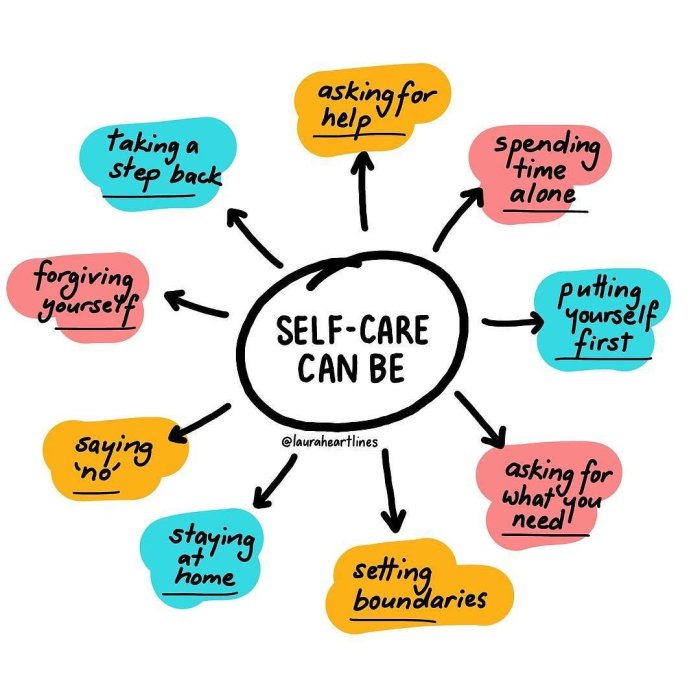
How to create a self-care routine that works for you: A Guide to Wellness sets the stage for exploring the essentials of self-care in a practical and effective manner. It delves into the key aspects like balanced diet, mental wellness, physical fitness, hydration, quality sleep, stress management, preventive care, and immune health to help you craft a personalized routine that suits your lifestyle and needs.
This comprehensive guide aims to empower you to prioritize self-care and enhance your overall well-being through actionable tips and insights. Dive in to discover how you can nurture yourself and create a sustainable self-care regimen that truly works for you.
Balanced Diet
Maintaining a balanced diet is crucial in a self-care routine as it provides the necessary nutrients for overall well-being. A balanced diet can impact both mental wellness and physical health, helping to improve mood, energy levels, and overall quality of life.
Nutrient-Rich Foods for Well-Being
- Fruits and vegetables: Rich in vitamins, minerals, and antioxidants that support immune function and overall health.
- Whole grains: Provide fiber for digestive health and sustained energy levels.
- Lean proteins: Essential for muscle repair and growth, as well as hormone regulation.
- Healthy fats: Found in sources like avocados, nuts, and seeds, which support brain health and reduce inflammation.
Impact of Diet on Mental Wellness and Physical Health
A balanced diet plays a significant role in mental wellness by providing nutrients that support brain function and regulate mood. On the physical health front, a balanced diet can help prevent chronic diseases, maintain a healthy weight, and boost overall energy levels.
Creating a Balanced Meal Plan for Self-Care
- Plan ahead: Take time to create a weekly meal plan that includes a variety of nutrient-rich foods.
- Include a rainbow of colors: Aim to incorporate a variety of fruits and vegetables of different colors to ensure a diverse nutrient intake.
- Balance macronutrients: Ensure each meal contains a balance of carbohydrates, proteins, and fats to support overall health.
- Stay hydrated: Remember to drink plenty of water throughout the day to support digestion and overall well-being.
Mental Wellness
When it comes to self-care, mental wellness plays a crucial role in maintaining overall well-being. Taking care of our mental health is essential for managing stress, improving mood, and enhancing our quality of life.
Strategies for Maintaining Emotional Balance and Managing Stress
It’s important to develop strategies that help maintain emotional balance and manage stress effectively. Some ways to achieve this include:
- Practicing mindfulness and meditation to calm the mind and reduce stress levels.
- Engaging in regular physical activity to release endorphins and improve mood.
- Journaling to express thoughts and emotions, helping to gain clarity and perspective.
- Setting boundaries and learning to say no to avoid overwhelm and burnout.
- Seeking support from loved ones, friends, or a mental health professional when needed.
Connection Between Mental Health and Self-Care Practices
Self-care practices are closely intertwined with mental health, as taking care of ourselves physically, emotionally, and mentally contributes to overall well-being. By prioritizing self-care, we can better manage stress, reduce anxiety, and improve our mental resilience.
Activities that Promote Mindfulness and Holistic Health
Engaging in activities that promote mindfulness can have a positive impact on our mental wellness and overall health. Some examples of activities that promote mindfulness and holistic health include:
- Yoga and tai chi for mind-body connection and relaxation.
- Deep breathing exercises to reduce stress and promote a sense of calm.
- Spending time in nature to rejuvenate the mind and reduce mental fatigue.
- Practicing gratitude by keeping a daily journal of things we are thankful for.
- Engaging in creative hobbies such as painting, writing, or gardening to foster self-expression and relaxation.
Physical Fitness
Regular exercise plays a crucial role in a self-care routine as it contributes to overall well-being by improving physical health, mental clarity, and emotional stability. Incorporating various types of exercises into your routine can help you stay active, reduce stress, and boost your mood.
Benefits of Regular Exercise
- Improves cardiovascular health and reduces the risk of chronic diseases.
- Enhances muscle strength, flexibility, and endurance.
- Boosts energy levels and promotes better sleep quality.
- Helps in managing weight and achieving fitness goals.
- Reduces feelings of anxiety, depression, and stress.
Types of Exercises for Self-Care
- Cardiovascular exercises like walking, running, or cycling.
- Strength training with weights or resistance bands.
- Flexibility exercises such as yoga or Pilates.
- Mind-body exercises like tai chi or qigong.
Tips for Creating a Personalized Fitness Plan
1. Set realistic and achievable goals based on your fitness level and preferences.
2. Find activities that you enjoy to make exercise a fun and sustainable habit.
3. Schedule regular workout sessions to maintain consistency and track your progress.
4. Listen to your body and adjust the intensity of exercises according to how you feel.
Adequate Hydration
Hydration is a crucial aspect of self-care that often gets overlooked. Ensuring you are adequately hydrated can have a significant impact on both your physical and mental well-being.
Benefits of Staying Hydrated
Staying hydrated offers numerous benefits for your overall health:
- Improved physical performance: Proper hydration helps regulate body temperature and lubricate joints, leading to better athletic performance.
- Boosted mental clarity: Dehydration can impair cognitive function, so staying hydrated can help you think more clearly and stay focused.
- Healthy skin: Adequate hydration keeps your skin moisturized, promoting a healthy and glowing complexion.
- Detoxification: Drinking enough water helps flush out toxins from your body, supporting your liver and kidneys in their detoxification processes.
Tips for Ensuring You Stay Hydrated
Here are some tips to help you maintain proper hydration levels throughout the day:
- Carry a reusable water bottle with you wherever you go as a visual reminder to drink water regularly.
- Set reminders on your phone or use hydration tracking apps to prompt you to drink water at regular intervals.
- Infuse your water with fruits or herbs to add flavor and make it more enjoyable to drink.
- Consume hydrating foods like fruits and vegetables, in addition to drinking water, to increase your overall fluid intake.
Connection Between Hydration and Overall Well-Being
Proper hydration is closely linked to your overall well-being:
- Regulating body temperature: Water helps maintain a stable body temperature, especially during physical activity or in hot weather.
- Supporting digestion: Drinking enough water aids in digestion and prevents constipation, promoting a healthy gut.
- Boosting energy levels: Dehydration can lead to fatigue, so staying hydrated can help you feel more energized throughout the day.
Quality Sleep
Quality sleep is a crucial component of a self-care routine as it plays a significant role in overall well-being. Adequate rest allows the body and mind to recharge, repair, and rejuvenate, leading to improved mental clarity, physical health, and emotional stability.
Improving Sleep Hygiene and Bedtime Routine
- Avoiding caffeine and electronics before bedtime can help signal to the body that it’s time to wind down.
- Establishing a consistent sleep schedule by going to bed and waking up at the same time every day can regulate the body’s internal clock.
- Creating a relaxing bedtime routine, such as reading a book or taking a warm bath, can help signal to the brain that it’s time to sleep.
Impact on Mental Wellness, Physical Health, and Emotional Balance
- Quality sleep is essential for cognitive function, memory consolidation, and emotional regulation.
- Poor sleep has been linked to an increased risk of chronic conditions like heart disease, diabetes, and obesity.
- Consistent lack of sleep can lead to mood swings, irritability, and decreased ability to cope with stress.
Creating a Restful Sleeping Environment
- Ensure your bedroom is cool, dark, and quiet to promote optimal conditions for sleep.
- Invest in a comfortable mattress and pillows that support your body and promote proper alignment.
- Avoid using electronic devices in bed and consider using white noise or earplugs to block out disruptive sounds.
Stress Management
Stress management is a crucial aspect of a self-care routine as it helps individuals maintain their overall well-being and mental health. Constant exposure to stress can have detrimental effects on both physical and mental health, making it essential to incorporate stress-relief techniques into daily life.
Techniques for Coping with Stress and Promoting Relaxation
- Practice deep breathing exercises to calm the mind and body.
- Engage in regular physical activity to release endorphins and reduce stress levels.
- Try mindfulness meditation to increase self-awareness and reduce anxiety.
- Establish a support system of friends, family, or a therapist to talk about your feelings and emotions.
Effects of Chronic Stress on Overall Well-being, How to create a self-care routine that works for you
Chronic stress can lead to a variety of health issues, including high blood pressure, weakened immune system, anxiety, depression, and insomnia. It is vital to address stress effectively to prevent long-term negative impacts on physical and mental health.
Examples of Stress-Relief Activities
- Yoga or Tai Chi for relaxation and stress reduction.
- Listening to calming music or nature sounds to unwind and relax.
- Engaging in a hobby or creative activity to distract the mind from stressors.
- Spending time in nature or practicing outdoor activities to rejuvenate the mind and body.
Preventive Care: How To Create A Self-care Routine That Works For You
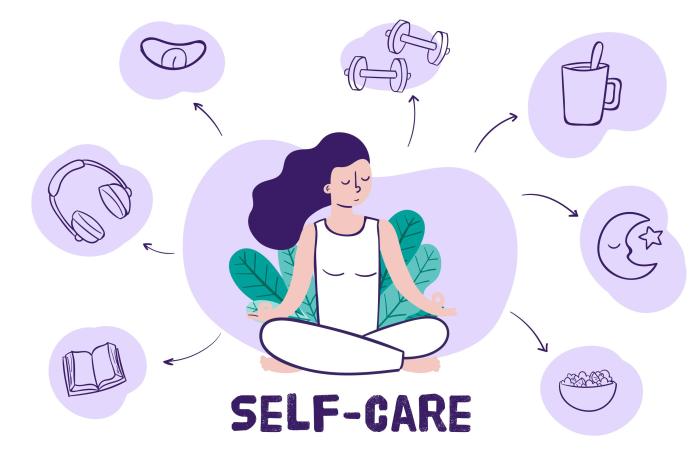
Maintaining health and well-being goes beyond just treating illnesses; it involves preventing them from occurring in the first place through proactive measures. Preventive care plays a crucial role in promoting a healthy lifestyle and ensuring longevity.
Importance of Preventive Care
- Regular check-ups and screenings can help detect potential health issues early on, allowing for timely intervention and treatment.
- Vaccinations protect against preventable diseases, reducing the risk of illness and transmission to others.
- Preventive care can lead to better overall health outcomes, lower healthcare costs, and improved quality of life.
Tips for Prioritizing Preventive Healthcare Practices
- Stay up to date with recommended vaccinations and screenings based on your age, gender, and medical history.
- Make time for annual physical exams and preventive screenings, such as blood pressure, cholesterol, and cancer screenings.
- Keep a health journal to track appointments, test results, and symptoms for better monitoring of your health.
Benefits of Regular Check-ups and Screenings
- Early detection of health issues can lead to more effective treatment and management of conditions.
- Screenings can help identify risk factors for diseases, allowing for preventive measures to be taken to reduce the likelihood of developing them.
- Regular check-ups foster a proactive approach to health, empowering individuals to take charge of their well-being.
Contribution of Preventive Care to a Healthy Lifestyle
- Preventive care promotes a culture of wellness, focusing on prevention rather than just treatment of illnesses.
- By prioritizing preventive healthcare practices, individuals can maintain optimal health and prevent chronic conditions from developing.
- Investing in preventive care today can lead to a healthier and more fulfilling life in the long run.
Immune Boost
Immune health plays a crucial role in maintaining overall well-being as it helps our bodies fight off infections and diseases. Incorporating immune-boosting strategies into your self-care routine is essential for staying healthy and resilient.
Nutrition for Immune Health
One of the most effective ways to boost your immune system is through a healthy diet rich in vitamins, minerals, and antioxidants. Foods like citrus fruits, red bell peppers, garlic, ginger, and almonds are known for their immune-boosting properties. Additionally, incorporating probiotics and prebiotics into your diet can help support a healthy gut microbiome, which is essential for a strong immune system.
Exercise for Immune Health
Regular physical activity is not only beneficial for your physical health but also for your immune system. Engaging in moderate exercise like brisk walking, cycling, or swimming can help improve immune function by promoting good circulation and reducing inflammation. Aim for at least 150 minutes of moderate exercise per week to boost your immune system.
Lifestyle Habits for Immune Health
Aside from nutrition and exercise, certain lifestyle habits can also contribute to a strong immune system. Getting an adequate amount of sleep, managing stress effectively, avoiding smoking, limiting alcohol consumption, and maintaining a healthy weight are all crucial for immune health.
Practicing good hygiene, such as regular handwashing, can also help prevent infections and support your immune system.
Supplements for Immune Health
In addition to a healthy diet, certain supplements can help support immune function. Vitamin C, vitamin D, zinc, and echinacea are commonly used to boost the immune system. However, it’s essential to consult with a healthcare provider before taking any supplements to ensure they are safe and appropriate for you.
Conclusion
In conclusion, How to create a self-care routine that works for you: A Guide to Wellness offers a roadmap to cultivate a healthier relationship with yourself. By embracing the principles of self-care and incorporating them into your daily life, you can embark on a journey towards greater balance, resilience, and vitality.
Start your self-care journey today and witness the transformative impact it can have on your well-being.
Expert Answers
How do I know if a self-care routine is working for me?
Your self-care routine is working if you feel more balanced, energized, and resilient in managing daily challenges.
Is it necessary to follow all the components of a self-care routine?
No, you can personalize your self-care routine by focusing on areas that resonate with you and align with your wellness goals.
Can I adjust my self-care routine over time?
Absolutely, your self-care routine should evolve with your changing needs and priorities to ensure continued effectiveness.
How often should I review and update my self-care routine?
It’s beneficial to review and adjust your self-care routine periodically to address any new challenges or goals you may have.
What if I struggle to stick to my self-care routine?
It’s normal to face challenges in maintaining a self-care routine. Start small, be patient with yourself, and seek support when needed.


