
Impact of chronic diseases on quality of life sets the stage for this enthralling narrative, offering readers a glimpse into a story that is rich in detail with a focus on managing chronic conditions for better well-being.
The relationship between chronic diseases and various aspects like mental wellness, physical fitness, and preventive care will be explored to provide a comprehensive understanding.
Balanced Diet
Eating a balanced diet plays a crucial role in managing chronic diseases and improving overall quality of life. A diet rich in essential nutrients can help individuals with chronic conditions better cope with their symptoms and reduce the risk of complications.
Importance of Nutrient-rich Foods
Consuming nutrient-rich foods such as fruits, vegetables, whole grains, lean proteins, and healthy fats can provide the body with the necessary vitamins, minerals, and antioxidants to support optimal health. These foods help boost the immune system, regulate blood sugar levels, lower cholesterol, and maintain a healthy weight, all of which are essential in managing chronic diseases.
- Fruits and Vegetables: Rich in vitamins, minerals, and antioxidants, fruits and vegetables can help reduce inflammation, improve digestion, and support heart health.
- Whole Grains: Whole grains like brown rice, quinoa, and oats are high in fiber, which aids in digestion, regulates blood sugar levels, and promotes satiety.
- Lean Proteins: Foods like poultry, fish, tofu, and legumes provide essential amino acids for muscle repair, hormone production, and immune function.
- Healthy Fats: Sources of healthy fats such as avocados, nuts, seeds, and olive oil can help reduce inflammation, support brain health, and improve cholesterol levels.
Impact on Health and Well-being
The choices we make in our diet can have a significant impact on our overall health and well-being. By incorporating nutrient-rich foods and avoiding processed foods high in sugar, salt, and unhealthy fats, individuals with chronic diseases can better manage their condition, reduce symptoms, and enhance their quality of life.
Mental Wellness
When dealing with chronic diseases, mental wellness plays a crucial role in determining the overall quality of life for individuals. The impact of chronic conditions on mental health can be profound, leading to increased stress, anxiety, depression, and feelings of isolation.
Strategies for Promoting Mental Wellness
It is essential to implement strategies that focus on promoting mental wellness in individuals dealing with chronic conditions. Some effective approaches include:
- Seeking professional help from therapists or counselors to address emotional challenges.
- Engaging in regular physical activity to boost mood and reduce stress levels.
- Practicing mindfulness and meditation to cultivate a sense of calm and reduce anxiety.
- Building a strong support network of friends, family, and healthcare providers to provide emotional support.
Stress Management Techniques
Stress management techniques are essential for improving the quality of life for those with chronic diseases. By effectively managing stress, individuals can experience a better overall well-being and cope with the challenges posed by their condition. Some techniques to consider include:
- Deep breathing exercises to promote relaxation and reduce anxiety.
- Engaging in hobbies or activities that bring joy and distraction from stressors.
- Setting boundaries and prioritizing self-care to prevent burnout and overwhelm.
- Practicing yoga or tai chi to improve mindfulness and reduce tension in the body.
Physical Fitness
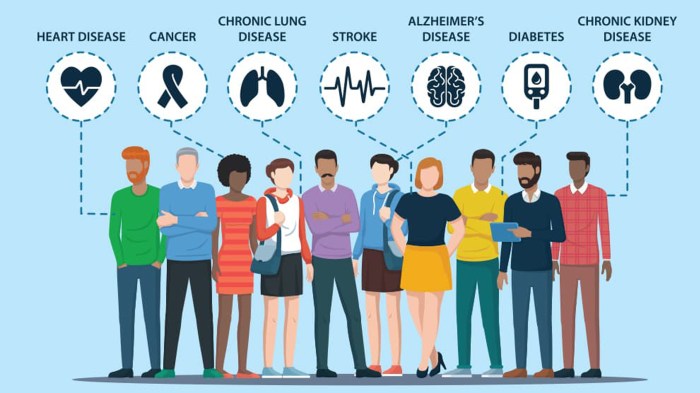
Regular exercise plays a crucial role in improving the quality of life for individuals with chronic diseases. It not only helps in managing symptoms but also contributes to overall health and well-being.
Benefits of Regular Exercise
- Improves cardiovascular health and reduces the risk of heart disease for those with conditions like hypertension or diabetes.
- Enhances flexibility and mobility, which can be beneficial for individuals with arthritis or osteoporosis.
- Boosts mood and mental well-being, helping in managing conditions like depression or anxiety.
- Aids in weight management, which is essential for individuals with obesity-related chronic diseases.
Suitable Physical Activities for Different Chronic Conditions
- Cardiovascular Diseases:Walking, swimming, cycling, or low-impact aerobics.
- Arthritis:Tai Chi, yoga, or water aerobics to improve joint flexibility.
- Diabetes:Strength training, brisk walking, or dancing to control blood sugar levels.
- Depression:Running, dancing, or group fitness classes for mood enhancement.
Contribution to Overall Health and Well-being
Regular physical fitness not only helps in managing chronic diseases but also improves overall health by:
- Strengthening the immune system to fight off infections and illnesses.
- Enhancing energy levels and reducing fatigue commonly associated with chronic conditions.
- Improving sleep quality, which is essential for healing and recovery.
- Boosting self-esteem and confidence, leading to a more positive outlook on life.
Adequate Hydration
Proper hydration is crucial for individuals managing chronic diseases as it plays a significant role in maintaining overall health and well-being.
Importance of Adequate Hydration
- Hydration helps in flushing out toxins from the body, which is essential for individuals with chronic conditions as it can help in managing symptoms and reducing complications.
- Proper hydration supports the body’s ability to absorb medications effectively, ensuring that the treatment plan is optimized for better results.
- Dehydration can exacerbate certain chronic conditions, such as kidney disease, diabetes, and cardiovascular issues, making it essential to maintain adequate fluid intake.
Tips for Ensuring Proper Hydration
- Carry a water bottle with you throughout the day to remind yourself to drink water regularly.
- Set reminders on your phone or use hydration tracking apps to monitor your water intake and stay on track.
- Incorporate hydrating foods like fruits and vegetables into your diet to boost your fluid intake.
- Avoid excessive consumption of caffeinated or sugary beverages, as they can contribute to dehydration.
Impact of Hydration on Quality of Life
- Proper hydration can improve energy levels, cognitive function, and mood, leading to an overall better quality of life for individuals managing chronic diseases.
- Dehydration can cause fatigue, headaches, and dizziness, affecting daily activities and reducing the quality of life for those with chronic conditions.
- Maintaining adequate hydration can also support joint health, digestion, and skin health, contributing to an improved overall well-being.
Healthy Lifestyle
Living a healthy lifestyle is crucial for individuals with chronic diseases as it can significantly impact their quality of life and overall well-being. By adopting healthy habits and making positive lifestyle choices, individuals can better manage their chronic conditions and improve their health outcomes.
Components of a Healthy Lifestyle for Individuals with Chronic Diseases
- Regular physical activity: Engaging in regular exercise tailored to individual capabilities can help improve cardiovascular health, manage weight, and boost overall well-being.
- Healthy eating habits: Following a balanced diet rich in fruits, vegetables, lean proteins, and whole grains can help control blood sugar levels, reduce inflammation, and support overall health.
- Stress management: Practicing relaxation techniques, mindfulness, and seeking social support can help reduce stress levels, which can exacerbate symptoms of chronic diseases.
- Sleep hygiene: Prioritizing good sleep habits and ensuring an adequate amount of rest can improve energy levels, mood, and overall health.
Benefits of Adopting a Healthy Lifestyle for Chronic Disease Management
- Improved disease management: By incorporating healthy habits into daily routines, individuals can better control symptoms, reduce complications, and slow disease progression.
- Enhanced overall well-being: A healthy lifestyle can lead to increased energy levels, better mood, improved mental health, and a higher quality of life despite living with chronic conditions.
- Reduced risk of comorbidities: By maintaining a healthy lifestyle, individuals can lower their risk of developing additional health issues or complications associated with chronic diseases.
Examples of Healthy Habits for Individuals with Chronic Diseases
- Mindful eating: Paying attention to portion sizes, choosing nutrient-dense foods, and practicing mindful eating can help individuals better manage conditions like diabetes, hypertension, or heart disease.
- Regular health screenings: Staying up to date with medical check-ups, screenings, and monitoring vital signs can help individuals track their progress, detect any changes early, and adjust treatment plans accordingly.
- Building a support network: Surrounding oneself with supportive friends, family, or joining support groups can provide emotional support, encouragement, and understanding during challenging times.
Preventive Care
Regular preventive care plays a crucial role in managing chronic diseases and improving overall quality of life. By taking proactive steps to prevent complications and monitor health status, individuals can better control their conditions and lead healthier lives.
Importance of Regular Health Screenings
Regular health screenings and check-ups are essential for individuals with chronic conditions to detect any changes or developments early on. These screenings can help healthcare providers assess the effectiveness of treatment plans, adjust medications if needed, and provide necessary interventions to prevent further complications.
- Monitor key health indicators such as blood pressure, blood sugar levels, cholesterol levels, and weight regularly.
- Participate in recommended screenings for conditions such as cancer, diabetes, heart disease, and others based on individual risk factors.
- Discuss any new symptoms or concerns with healthcare providers promptly to address them before they escalate.
Incorporating Preventive Care into Daily Routines
Incorporating preventive care into daily routines can significantly impact health outcomes and quality of life. By adopting healthy habits and staying proactive about managing chronic conditions, individuals can better control their health and well-being.
- Follow a personalized healthcare plan developed with guidance from healthcare providers to manage chronic conditions effectively.
- Engage in regular physical activity, maintain a balanced diet, and practice stress management techniques to support overall health and well-being.
- Stay up to date with vaccinations, screenings, and routine check-ups to ensure timely interventions and preventive measures are in place.
Quality Sleep
Quality sleep plays a crucial role in managing chronic diseases. Adequate rest and sleep are essential for the body to repair and regenerate, especially for individuals dealing with ongoing health issues. Poor sleep can exacerbate symptoms and impact overall well-being.
Importance of Quality Sleep in Managing Chronic Diseases
- Quality sleep helps regulate hormones that affect appetite, metabolism, and immune function, all of which are crucial in managing chronic conditions.
- During deep sleep, the body repairs tissues, muscles, and cells, supporting the healing process and overall health maintenance.
- Proper rest can reduce inflammation in the body, which is often linked to various chronic diseases.
Tips to Improve Sleep Quality for Individuals with Chronic Conditions
- Establish a consistent sleep schedule by going to bed and waking up at the same time every day.
- Create a relaxing bedtime routine to signal to your body that it’s time to wind down, such as reading a book or taking a warm bath.
- Avoid stimulants like caffeine and electronics before bedtime to promote better sleep quality.
- Ensure your sleep environment is conducive to rest, with a comfortable mattress, pillows, and a dark, quiet room.
Relationship Between Sleep and Overall Health in Chronic Diseases
- Chronic sleep deprivation can weaken the immune system, making individuals more susceptible to infections and other health complications.
- Poor sleep quality is associated with an increased risk of developing chronic conditions such as diabetes, heart disease, and obesity.
- Improving sleep habits can lead to better symptom management and overall quality of life for individuals living with chronic diseases.
Cardio Health
Cardiovascular health plays a crucial role in the overall well-being of individuals managing chronic diseases. The heart and blood vessels are essential for transporting oxygen and nutrients throughout the body, making it vital for those with chronic conditions.
Significance of Cardiovascular Health
Having good cardiovascular fitness can significantly improve the quality of life for individuals dealing with chronic diseases. It helps in better circulation, improved stamina, and reduced risk of heart-related complications, ultimately enhancing overall health and well-being.
Impact of Cardiovascular Fitness, Impact of chronic diseases on quality of life
- Regular aerobic exercises like walking, cycling, or swimming can strengthen the heart muscle and improve blood flow, leading to better management of chronic conditions.
- Cardio workouts can also help in reducing stress, anxiety, and depression, which are common among individuals with chronic diseases, contributing to a better quality of life.
- Improved cardiovascular fitness can enhance energy levels, promote better sleep, and boost overall mood and mental well-being in individuals managing chronic conditions.
Exercises for Cardiovascular Health
- Brisk walking or jogging: Simple yet effective exercises to get the heart rate up and improve cardiovascular health.
- Cycling: Low-impact exercise that can be gentle on the joints while providing a good cardiovascular workout.
- Swimming: A full-body workout that is gentle on the body while promoting cardiovascular endurance and strength.
Conclusive Thoughts
In conclusion, addressing chronic diseases through a holistic approach that includes balanced diet, mental wellness, and physical fitness can significantly enhance the quality of life and overall well-being of individuals dealing with such conditions.
FAQ Corner: Impact Of Chronic Diseases On Quality Of Life
How can mental wellness impact the quality of life for individuals with chronic diseases?
Mental wellness plays a crucial role in managing chronic conditions as it can affect emotional well-being and coping mechanisms.
What are some examples of suitable physical activities for individuals with chronic diseases?
Low-impact exercises like walking, swimming, or tai chi are beneficial for individuals with chronic conditions.
Why is quality sleep important in the context of managing chronic diseases?
Quality sleep promotes healing, boosts immunity, and improves overall health outcomes for individuals dealing with chronic conditions.


