
Role of proper nutrition in boosting immune system: Unlock the secrets to a stronger immune system through the power of nutrition. Dive into the world of balanced diets, mental wellness, and physical fitness to discover how you can supercharge your immunity.
Explore the vital role of hydration, healthy lifestyle choices, and preventive care in maintaining optimal health. Learn how quality sleep, cardio health, and immune-boosting strategies can revolutionize your well-being.
Balanced Diet
A balanced diet plays a crucial role in supporting the immune system by providing essential nutrients that help the body function optimally. It involves consuming a variety of foods in appropriate proportions to ensure you get all the necessary vitamins, minerals, and other nutrients your body needs.
Components of a Balanced Diet for Immune Support
- Proteins: Protein is essential for the building and repair of tissues, including immune cells. Good sources of protein include lean meats, poultry, fish, eggs, dairy products, legumes, and nuts.
- Vitamins and Minerals: Vitamins A, C, D, E, and minerals like zinc and selenium are known to support the immune system. Foods rich in these nutrients include fruits, vegetables, whole grains, nuts, seeds, and dairy products.
- Healthy Fats: Omega-3 fatty acids found in fish, flaxseeds, and walnuts can help reduce inflammation and support immune function.
- Fiber: Fiber-rich foods like fruits, vegetables, whole grains, and legumes help promote a healthy gut microbiome, which is essential for a strong immune system.
Examples of Nutrient-Rich Foods
- Citrus Fruits: Oranges, grapefruits, lemons, and limes are rich in vitamin C, which can help boost the production of white blood cells.
- Spinach: This leafy green is packed with vitamins A, C, and E, as well as antioxidants that support immune function.
- Yogurt: Probiotics found in yogurt help maintain a healthy gut, which is crucial for a strong immune system.
- Almonds: These nuts are a good source of vitamin E, which is important for maintaining immune function.
Importance of Variety and Moderation
Eating a variety of nutrient-rich foods is essential to ensure you get all the necessary nutrients for a healthy immune system. Including a wide range of fruits, vegetables, whole grains, lean proteins, and healthy fats in your diet can help prevent nutrient deficiencies and support overall well-being.
Additionally, moderation is key to maintaining a balanced diet. Avoiding excessive consumption of unhealthy foods high in sugar, saturated fats, and refined carbohydrates can help prevent inflammation and promote a strong immune response.
Mental Wellness
Maintaining mental wellness is crucial for overall health, including immune function. The mind and body are intricately connected, and a healthy mental state can positively impact the immune system.Excessive stress can weaken the immune system, making the body more susceptible to illnesses.
Chronic stress can lead to inflammation and a decrease in immune cells, compromising the body’s ability to fight off infections.
Stress Management
Stress management techniques such as meditation, deep breathing exercises, yoga, and mindfulness can help reduce stress levels. These practices can lower cortisol levels, a stress hormone that can suppress the immune system.
- Practice mindfulness: Engage in activities that promote mindfulness, such as meditation or yoga, to reduce stress and improve immune function.
- Physical activity: Regular exercise can help lower stress levels and boost immunity. Aim for at least 30 minutes of moderate exercise daily.
- Healthy sleep habits: Prioritize quality sleep to support immune function. Aim for 7-9 hours of sleep each night.
- Seek social support: Stay connected with friends and family to reduce feelings of isolation and improve mental well-being.
- Limit screen time: Excessive screen time can contribute to stress and anxiety. Take breaks from electronic devices to promote mental wellness.
Physical Fitness: Role Of Proper Nutrition In Boosting Immune System
Regular exercise plays a crucial role in strengthening the immune system. By engaging in physical activities, the body is better equipped to fight off infections and diseases, leading to overall improved immunity.
Examples of Immune-Boosting Exercises
- Cardiovascular exercises such as running, cycling, or swimming help increase blood circulation and improve heart health, leading to a stronger immune system.
- Strength training exercises like weight lifting or bodyweight exercises help build muscle mass and enhance overall physical strength, which can aid in better immune function.
- Yoga and Pilates promote relaxation, reduce stress levels, and improve flexibility and balance, contributing to a healthier immune response.
Contribution of Physical Fitness to Overall Health, Role of proper nutrition in boosting immune system
Regular physical activity not only boosts the immune system but also contributes to overall health and well-being. Exercise helps reduce inflammation, regulate hormone levels, and improve sleep quality, all of which are essential factors in maintaining a strong immune system.
Additionally, staying active can enhance mood, reduce anxiety and depression, and increase energy levels, all of which play a role in supporting a healthy immune response.
Adequate Hydration
Proper hydration is essential for maintaining a strong immune system. Water plays a crucial role in various bodily functions, including the circulation of nutrients and oxygen, removal of waste products, and regulation of body temperature.
Guidelines for Daily Water Intake
Staying adequately hydrated is key to supporting immune function. The recommended daily water intake varies depending on factors like age, gender, activity level, and overall health. However, a general guideline is to drink at least 8-10 glasses of water per day.
This amount may need to be adjusted based on individual needs and environmental conditions.
Impact of Dehydration on Immune Health
Dehydration can have a negative impact on immune health. When the body lacks proper hydration, the immune system may not function optimally. Dehydration can lead to a decrease in the production of lymphatic fluid, which is essential for carrying immune cells throughout the body.
This can make it harder for the immune system to fight off infections and illnesses.
Healthy Lifestyle
Adopting a healthy lifestyle plays a crucial role in boosting the immune system and overall well-being. By incorporating healthy habits into daily routines, individuals can strengthen their body’s defense mechanisms and improve their quality of life.
Tips for Incorporating Healthy Habits
- Aim for a balanced diet rich in fruits, vegetables, whole grains, lean proteins, and healthy fats to provide essential nutrients for immunity.
- Regular physical activity can enhance immune function and reduce the risk of chronic diseases. Incorporate exercise into your daily routine, such as walking, jogging, or yoga.
- Prioritize quality sleep to allow the body to repair and regenerate cells, supporting immune health. Aim for 7-9 hours of sleep each night.
- Manage stress through relaxation techniques like meditation, deep breathing, or hobbies to prevent chronic stress from weakening the immune system.
- Avoid smoking and limit alcohol consumption to reduce inflammation and support immune function.
Benefits of a Healthy Lifestyle
Maintaining a healthy lifestyle not only boosts the immune system but also promotes overall well-being. It can lead to increased energy levels, improved mood, better cognitive function, and reduced risk of chronic diseases. By prioritizing healthy habits, individuals can enhance their immune response and enjoy a higher quality of life.
Preventive Care
Proper preventive care plays a crucial role in maintaining a strong immune system. By taking proactive measures to prevent illnesses, we can significantly reduce the risk of infections and other health issues.
Healthy Lifestyle Habits
- Regular handwashing: Washing hands frequently with soap and water can help prevent the spread of germs and infections.
- Proper hygiene practices: Maintaining good personal hygiene, such as covering your mouth when coughing or sneezing, can prevent the transmission of illnesses.
- Getting enough sleep: Adequate rest is essential for a healthy immune system, as it allows the body to repair and regenerate cells.
- Stress management: Chronic stress can weaken the immune system, so practicing stress-relieving activities like meditation or yoga is beneficial.
Role of Vaccinations
Vaccinations are a critical component of preventive care when it comes to supporting immune health. Vaccines work by stimulating the immune system to produce antibodies that protect against specific diseases. By getting vaccinated, individuals can develop immunity to various illnesses and reduce the risk of infection.
Regular Health Check-ups
- Annual physical exams: Regular check-ups with healthcare providers can help detect any underlying health issues early on and prevent complications.
- Screenings and tests: Routine screenings for conditions like high blood pressure, diabetes, and cancer can aid in early detection and treatment, improving overall health outcomes.
Quality Sleep
Quality sleep plays a crucial role in maintaining a strong immune system. During sleep, the body repairs and regenerates tissues, and the immune system works to fight off infections and illnesses. Lack of sleep can weaken the immune response, making us more susceptible to viruses and bacteria.
Relationship Between Sleep and Immune System
Getting enough quality sleep is essential for a well-functioning immune system. When we sleep, our bodies produce cytokines, proteins that help regulate the immune response. Sleep deprivation can lead to a decrease in cytokine production, making it harder for the body to fight off infections.
Studies have shown that people who don’t get enough quality sleep are more likely to get sick after being exposed to a virus.
Tips for Improving Sleep Quality
- Establish a consistent sleep schedule by going to bed and waking up at the same time every day.
- Create a relaxing bedtime routine to signal to your body that it’s time to wind down.
- Avoid caffeine, heavy meals, and electronic devices before bedtime.
- Make sure your sleep environment is comfortable, dark, and quiet.
Impact of Sleep Deprivation on Immune Function
Chronic sleep deprivation can have a significant impact on immune function. Studies have shown that people who don’t get enough quality sleep are more likely to develop chronic conditions like heart disease, diabetes, and obesity, all of which can weaken the immune system.
Cardio Health
Maintaining a healthy cardiovascular system is crucial for overall well-being, including immune function. The heart plays a vital role in pumping blood and delivering essential nutrients and oxygen to the body’s cells, including those of the immune system.
Exercises and Activities for Cardiovascular Health and Immunity
Regular aerobic exercises such as brisk walking, jogging, cycling, swimming, and dancing can help improve cardiovascular health and boost immunity. These activities increase blood flow, strengthen the heart muscle, and enhance the body’s ability to fight off infections.
- Aerobic exercises like running or cycling stimulate the production of white blood cells, which are key players in the immune system’s defense against pathogens.
- Interval training, which involves alternating between high-intensity bursts of activity and periods of rest, can also be beneficial for both cardiovascular health and immune function.
- Yoga and tai chi, although not traditional cardiovascular exercises, can still improve heart health and immunity through their focus on breathing, relaxation, and stress reduction.
Benefits of a Healthy Heart for Overall Well-being
A strong and healthy heart not only supports the immune system but also contributes to overall well-being in various ways.
“Regular cardiovascular exercise can help reduce the risk of chronic diseases such as heart disease, diabetes, and obesity, which can compromise immune function.”
- Improved circulation and oxygen delivery to tissues can enhance the body’s ability to fight off infections and promote faster healing.
- Reduced stress levels and improved mental health associated with cardiovascular exercise can also have a positive impact on immune function.
- Maintaining a healthy weight through regular physical activity and a balanced diet can further support heart health and overall well-being.
Immune Boost
Proper nutrition plays a crucial role in boosting the immune system, but there are also various natural ways to enhance our body’s defense mechanisms. These methods can help prevent illnesses and keep us healthy.
Immune-Boosting Foods and Herbs
One way to boost our immune system is by consuming foods rich in vitamins, minerals, and antioxidants. Examples of immune-boosting foods include:
- Citrus fruits like oranges, lemons, and grapefruits, which are high in vitamin C
- Leafy greens such as spinach and kale, which provide essential nutrients like vitamin A and folate
- Garlic, known for its immune-boosting and antimicrobial properties
- Ginger, which has anti-inflammatory effects and can help fight off infections
Remember to incorporate a variety of colorful fruits and vegetables in your diet to ensure you’re getting a wide range of nutrients.
Immune-Boosting Supplements
In addition to foods, certain herbs and supplements can also support the immune system. Some examples include:
- Echinacea, a popular herb known for its immune-boosting properties
- Probiotics, which can help maintain a healthy gut microbiome and support immune function
- Vitamin D supplements, especially beneficial for individuals with deficiencies
It’s important to consult with a healthcare professional before starting any new supplement regimen.
Importance of Immune-Boosting Strategies
Immune-boosting strategies are essential in preventing illnesses and maintaining overall health. By incorporating immune-boosting foods, herbs, and supplements into our diet, we can strengthen our immune system’s defenses against infections and diseases.
Clean Eating
Clean eating refers to consuming whole, unprocessed foods in their natural state while avoiding processed and refined products. This approach focuses on nutrient-dense foods that provide essential vitamins, minerals, and antioxidants to support overall health, including immune function.
Principles of Clean Eating
- Avoiding processed foods high in added sugars, unhealthy fats, and artificial ingredients.
- Choosing whole grains, lean proteins, fruits, vegetables, and healthy fats.
- Prioritizing organic and locally sourced foods when possible to reduce exposure to pesticides and chemicals.
Impact on Immune Health
Clean eating plays a crucial role in boosting immune health by providing the body with the necessary nutrients to support a strong immune system. Whole foods are rich in vitamins C, E, and D, zinc, and other essential nutrients that help regulate immune responses, reduce inflammation, and protect against infections.
Benefits of Avoiding Processed Foods
- Processed foods often contain added sugars, unhealthy fats, and preservatives that can weaken the immune system and promote inflammation.
- By eliminating processed foods from the diet, individuals can reduce the risk of chronic diseases, such as obesity, diabetes, and cardiovascular issues, which can compromise immune function.
- Choosing whole, clean foods instead of processed options can enhance overall health and well-being, leading to a stronger immune system and improved resilience against illnesses.
Daily Activity
Regular physical activity plays a crucial role in maintaining a healthy immune system. Exercise helps to boost the immune function by promoting good circulation, reducing inflammation, and supporting the overall health of the body.
Importance of Daily Physical Activity
Incorporating daily physical activity into your routine can be easier than you think. Simple activities like taking the stairs instead of the elevator, going for a walk during lunch break, or doing quick exercises at home can make a significant difference.
- Engage in at least 30 minutes of moderate-intensity exercise most days of the week.
- Find activities you enjoy, whether it’s dancing, swimming, cycling, or yoga, to make it more sustainable.
- Set realistic goals and gradually increase the intensity and duration of your workouts.
Remember, even small bursts of activity throughout the day can add up and contribute to your overall health and immune function.
Impact of Sedentary Lifestyle
A sedentary lifestyle, characterized by long hours of sitting and minimal physical movement, can have a negative impact on immune function. Lack of exercise can lead to weakened immunity, increased inflammation, and a higher risk of chronic diseases.
- Try to break up long periods of sitting by stretching or taking short walks.
- Set reminders to stand up and move around every hour, especially if you have a desk job.
- Aim for a balance between sitting, standing, and moving throughout the day to support your immune system.
Holistic Health
Holistic health focuses on the interconnectedness of the mind, body, and spirit in achieving overall well-being. By addressing all aspects of an individual’s health, including physical, mental, and emotional factors, a holistic approach can effectively strengthen the immune system and promote optimal health.
Examples of Holistic Practices
- Yoga and meditation: These practices help reduce stress levels, improve mental clarity, and promote relaxation, all of which contribute to a stronger immune response.
- Acupuncture and traditional Chinese medicine: By balancing the body’s energy flow, these practices can enhance the body’s natural healing abilities and boost immunity.
- Herbal remedies and supplements: Certain herbs and supplements are known for their immune-boosting properties and can support overall health when used appropriately.
- Energy healing therapies: Practices like Reiki or crystal healing can help restore balance and harmony to the body, promoting a stronger immune system.
Interconnectedness of Health
Physical health, mental well-being, and emotional stability are deeply interconnected and play a crucial role in supporting immunity. When the body is under stress or facing emotional challenges, the immune system can be compromised, making it more susceptible to illness.
By addressing all aspects of health through holistic practices, individuals can create a strong foundation for a robust immune system.
Mindful Living
Mindful living involves being fully present and aware of your thoughts, feelings, and surroundings. It focuses on living in the moment without judgment, which can have a positive impact on overall well-being, including immune health.Practicing mindfulness has been shown to reduce stress, anxiety, and depression, which are known to weaken the immune system.
By managing stress levels through mindfulness, individuals can enhance their immune resilience and better protect themselves from illnesses.
Practices for Mindful Living
- Engage in daily meditation or deep breathing exercises to calm the mind and reduce stress.
- Practice mindful eating by savoring each bite, paying attention to hunger and fullness cues, and choosing nourishing foods.
- Take regular nature walks or practice yoga to connect with the present moment and reduce mental clutter.
- Keep a gratitude journal to cultivate a positive mindset and enhance overall well-being.
Impact of Mindfulness on Immune Function
Practicing mindfulness has been linked to improved immune function by reducing inflammation and enhancing the body’s ability to fight off infections. Studies have shown that individuals who incorporate mindfulness into their daily routine have a stronger immune response to viruses and bacteria.By incorporating mindfulness practices into your daily life, you can not only reduce stress and anxiety but also boost your immune system and promote overall health and well-being.
Emotional Balance
Emotional balance plays a crucial role in supporting immune function. Our emotions can directly impact our physical health, including our immune system’s ability to fight off infections and diseases. When we are stressed, anxious, or overwhelmed, our immune system can become compromised, making us more susceptible to illnesses.
Strategies for Achieving Emotional Balance
- Practice mindfulness and meditation to reduce stress levels and promote emotional well-being.
- Engage in regular physical activity, as exercise can help release endorphins that improve mood and reduce anxiety.
- Seek social support from friends and family to share your feelings and alleviate emotional burdens.
- Get an adequate amount of sleep, as lack of sleep can negatively impact your emotional state and immune function.
- Consider therapy or counseling to address underlying emotional issues and develop healthy coping mechanisms.
Relationship between Emotional Well-being and Immunity
Research has shown that chronic stress and negative emotions can weaken the immune system, leading to increased susceptibility to infections and illnesses. On the other hand, positive emotions and emotional balance can enhance immune function and overall health.
Health Education
Health education plays a crucial role in promoting immune health by providing individuals with the knowledge and skills needed to make informed decisions about their well-being. Understanding the importance of proper nutrition, regular exercise, and overall wellness is essential for supporting the immune system and maintaining optimal health.
Health education empowers individuals to take control of their health and adopt healthy habits that can boost their immunity and prevent illness.
The Role of Health Literacy
Health literacy is a key factor in enabling individuals to make informed decisions about immune support. By improving health literacy through education, people can better understand the impact of nutrition, exercise, and lifestyle choices on their immune system. This knowledge allows individuals to take proactive steps to enhance their immunity and overall well-being.
Improved health literacy also enables individuals to navigate the vast amount of health information available and make choices that align with their immune health goals.
Self-Care
Self-care practices play a crucial role in boosting the immune system by promoting overall well-being and reducing stress levels, which can have a negative impact on immune function. Prioritizing self-care routines can help strengthen the body’s defenses and improve resilience against illnesses.
Examples of Self-Care Routines
- Regular exercise: Engaging in physical activity can help improve circulation, reduce inflammation, and boost the immune system.
- Meditation and mindfulness: Practices like meditation and deep breathing can reduce stress levels and promote relaxation, which is beneficial for immune health.
- Healthy diet: Eating a balanced diet rich in fruits, vegetables, whole grains, and lean proteins provides essential nutrients to support immune function.
- Adequate sleep: Getting enough quality sleep is essential for overall health and helps the body recover and repair, strengthening the immune system.
- Stress management: Finding healthy ways to cope with stress, such as through hobbies, social support, or therapy, can help reduce the negative impact of stress on immunity.
Benefits of Prioritizing Self-Care
- Improved immune function: By reducing stress and supporting overall health, self-care practices can enhance the body’s immune response.
- Enhanced well-being: Prioritizing self-care can lead to improved mood, increased energy levels, and a greater sense of balance and happiness.
- Reduced risk of illness: By taking care of both physical and mental health, individuals can lower their risk of chronic diseases and infections.
- Faster recovery: A well-nourished body with good self-care habits can recover more quickly from illnesses and infections.
Chronic Disease
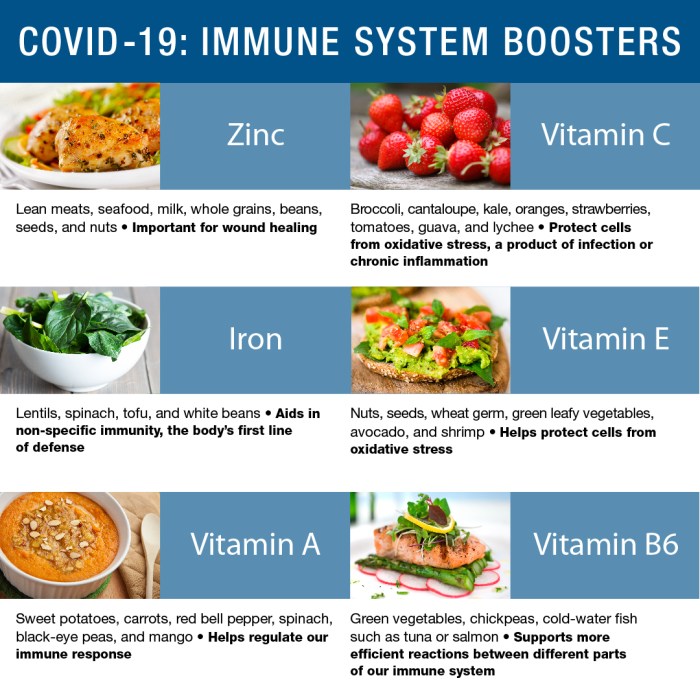
Proper nutrition plays a crucial role in managing chronic diseases and supporting immune function. A healthy diet can help alleviate symptoms, reduce inflammation, and improve overall health for individuals dealing with conditions like diabetes, heart disease, and autoimmune disorders.
Nutrient-Rich Foods for Chronic Illness
Consuming nutrient-rich foods can be beneficial for preventing and managing chronic illnesses. Some examples include:
- Omega-3 fatty acids found in fatty fish like salmon and walnuts can help reduce inflammation and support heart health.
- Leafy greens such as spinach and kale are rich in antioxidants and vitamins that can boost immune function and reduce the risk of chronic diseases.
- Probiotic-rich foods like yogurt and kefir can support gut health, which is linked to overall immunity and chronic disease management.
Importance of Healthy Diet for Chronic Conditions
Maintaining a healthy diet is essential for managing chronic conditions and boosting immunity. Nutrient-dense foods provide the necessary vitamins, minerals, and antioxidants that help the body fight off infections and reduce inflammation. A balanced diet can also help regulate blood sugar levels, cholesterol, and blood pressure, which are crucial for individuals with chronic illnesses.
Concluding Remarks
In conclusion, the role of proper nutrition in boosting the immune system cannot be overstated. By embracing a holistic approach to health and prioritizing self-care, you can fortify your body’s defenses and lead a life full of vitality and wellness.
Take charge of your health today and witness the transformative power of nutrition on your immune system.
FAQ Section
How does mental wellness affect the immune system?
Mental wellness plays a crucial role in immune function by reducing stress levels and promoting overall well-being, which in turn boosts immunity.
What are some examples of immune-boosting foods?
Immune-boosting foods include citrus fruits, leafy greens, almonds, and yogurt, all rich in essential nutrients that support the immune system.
Why is hydration important for the immune system?
Staying hydrated is vital for a strong immune system as it helps transport nutrients and flush out toxins, maintaining optimal immune function.
How can daily physical activity impact the immune system?
Regular exercise boosts the immune system by promoting circulation, reducing inflammation, and enhancing overall health, leading to improved immunity.
What is the significance of clean eating for immune health?
Clean eating supports immune health by providing essential nutrients and minimizing the intake of processed foods that can compromise immune function.


