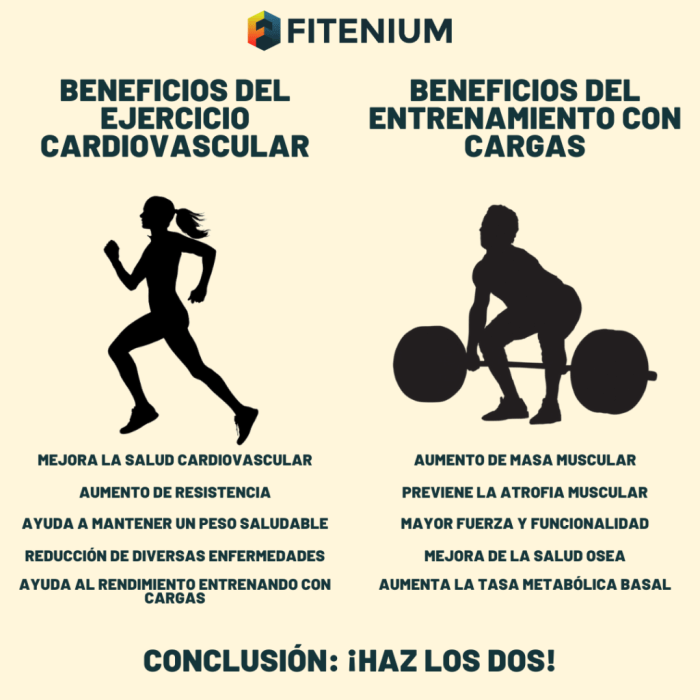
Tips for balancing cardio and strength training in a workout routine take the spotlight in this comprehensive guide, offering valuable insights and practical advice for fitness enthusiasts looking to optimize their exercise regimen. Dive into the world of fitness harmony where cardio and strength training unite to elevate your workout routine.
In this guide, you will discover the essential components of a well-rounded fitness routine that combines cardio and strength training to boost physical performance, mental wellness, and overall health.
Balanced Diet

Maintaining a balanced diet is crucial when incorporating both cardio and strength training into your workout routine. A well-rounded diet provides the necessary nutrients to fuel your workouts, aid in muscle recovery, and improve overall performance.
Nutrient-Rich Foods for Workouts
A balanced diet should include a variety of foods that are rich in essential nutrients to support your workout routines. Here are some examples of nutrient-rich foods that can enhance your performance:
- Lean proteins such as chicken, turkey, fish, tofu, and legumes provide the building blocks for muscle repair and growth.
- Complex carbohydrates like whole grains, fruits, and vegetables offer a steady source of energy for your workouts.
- Healthy fats from sources like avocados, nuts, and olive oil help with nutrient absorption and provide long-lasting energy.
- Foods rich in vitamins and minerals, such as leafy greens, berries, and nuts, support overall health and recovery.
Benefits of a Balanced Diet
Eating a balanced diet not only supports your workout performance but also contributes to your overall health and well-being. A diet rich in essential nutrients can:
- Improve energy levels and endurance during workouts.
- Enhance muscle recovery and reduce the risk of injuries.
- Promote better focus and mental clarity for effective training sessions.
- Support a healthy weight and body composition for optimal fitness results.
Mental Wellness
Maintaining mental wellness is crucial when trying to balance cardio and strength training in a workout routine. The connection between mental wellness and physical exercise is strong, as a positive mindset can greatly impact your performance and results. Here are some tips on how to keep a positive mindset during your workouts and the impact mental wellness can have on your consistency and overall results.
Importance of Mental Wellness
Having a positive mindset during workouts can boost your motivation, endurance, and overall performance. It can also help you push through challenging exercises and stay consistent with your routine.
Tips for Maintaining a Positive Mindset
- Acknowledge your progress and celebrate small victories along the way.
- Set realistic goals and focus on your own journey rather than comparing yourself to others.
- Practice mindfulness techniques such as deep breathing or visualization to stay present during workouts.
- Listen to motivating music or podcasts to keep yourself energized and engaged.
Impact on Workout Consistency and Results
Your mental state can directly impact your workout consistency. By maintaining a positive mindset, you are more likely to stick to your routine and see better results over time. On the other hand, negative thoughts or lack of motivation can lead to inconsistency and hinder your progress.
Physical Fitness
Regular physical activity is essential for maintaining overall health and physical fitness. Combining cardio and strength training in your workout routine can offer a wide range of benefits that contribute to your overall well-being.
Benefits of Combining Cardio and Strength Training
- Improved cardiovascular health: Cardio exercises such as running, cycling, or swimming help strengthen your heart and lungs, while strength training enhances muscle efficiency, leading to better overall cardiovascular health.
- Increased muscle strength: Strength training exercises like weightlifting or bodyweight exercises help build and tone muscles, improving overall strength and endurance.
- Enhanced flexibility: Balancing cardio with strength training can improve flexibility and range of motion, reducing the risk of injuries during physical activities.
Examples of Workout Routines
- Full-body circuit training: Incorporate a mix of cardio exercises like jumping jacks or burpees with strength training exercises like squats, push-ups, and lunges in a high-intensity circuit.
- Interval training: Alternate between periods of high-intensity cardio (e.g., sprints) and strength training (e.g., kettlebell swings) to challenge both your cardiovascular system and muscles.
Improving Endurance, Strength, and Flexibility
Balancing cardio and strength training in your workout routine can lead to significant improvements in endurance, strength, and flexibility. Cardio exercises help boost your endurance levels, allowing you to sustain physical activity for longer periods. On the other hand, strength training builds muscle strength and enhances flexibility, supporting better overall physical performance and reducing the risk of injuries.
Adequate Hydration
Proper hydration is essential when it comes to supporting both cardio and strength training workouts. Water plays a crucial role in regulating body temperature, lubricating joints, transporting nutrients, and removing waste from the body. Dehydration can lead to decreased performance, muscle cramps, fatigue, and even more serious health issues.
Guidelines for Hydration
- Before Exercise: Drink about 17-20 ounces of water 2-3 hours before your workout to ensure proper hydration.
- During Exercise: Sip on 7-10 ounces of water every 10-20 minutes during your workout to replenish fluids lost through sweat.
- After Exercise: Rehydrate by drinking 8 ounces of water within 30 minutes after your workout, and continue to drink water throughout the day to replace any additional fluid losses.
Remember, individual fluid needs can vary based on factors such as intensity of exercise, body size, and perspiration rate.
Importance of Hydration for Performance and Recovery
Proper hydration is crucial for maintaining performance during workouts and aiding in recovery afterward. Dehydration can lead to decreased energy levels, impaired cognitive function, and reduced endurance. By staying properly hydrated, you can optimize your exercise performance, promote muscle recovery, and support overall health and well-being.
Regular Exercise
Maintaining a consistent workout schedule is crucial for seeing progress and results in your fitness journey. It helps in building discipline, establishing a routine, and ensuring that you stay committed to your fitness goals.
Tips for Balancing Cardio and Strength Training
- Alternate between cardio and strength training days to give your muscles time to recover and grow.
- Include both types of exercise in each session by doing circuit training or incorporating intervals of cardio between strength exercises.
- Focus on specific muscle groups on different days to avoid overworking them and to ensure a balanced workout routine.
Varying Workout Routines to Prevent Plateaus and Boredom
- Try different types of cardio such as running, cycling, swimming, or HIIT to keep things interesting and challenging.
- Switch up your strength training routine by using different equipment, trying new exercises, or changing the number of sets and repetitions.
- Incorporate yoga, Pilates, or other forms of exercise to improve flexibility, balance, and overall body strength.
Healthy Lifestyle
Incorporating cardio and strength training into your workout routine is a key component of promoting a healthy lifestyle. These two types of exercises work together to improve cardiovascular health, build muscle strength, increase endurance, and boost overall fitness levels. By engaging in both cardio and strength training, you can experience a well-rounded approach to physical health and wellness.
Complementary Lifestyle Factors
In addition to a balanced workout routine, there are several lifestyle factors that can complement your efforts to lead a healthy life. These include getting an adequate amount of sleep each night, managing stress levels effectively, avoiding smoking and excessive alcohol consumption, and maintaining a balanced and nutritious diet.
Incorporating these habits into your daily routine can enhance the benefits of your exercise regimen and contribute to your overall well-being.
Benefits of a Holistic Approach
Adopting a holistic approach to health and fitness involves looking at the big picture and considering all aspects of your well-being. This means focusing not only on physical exercise but also on mental wellness, emotional balance, and spiritual health. By taking a comprehensive approach to your health, you can experience improved energy levels, better mood, enhanced cognitive function, and a greater sense of overall vitality.
Embracing a holistic lifestyle can lead to long-term health benefits and a higher quality of life.
Nutrient-Rich
Consuming nutrient-rich foods is crucial for workout recovery as they provide the essential vitamins, minerals, and macronutrients needed to repair muscle tissue, replenish energy stores, and support overall recovery. Proper nutrition plays a key role in maximizing the benefits of exercise and achieving fitness goals.
Importance of Nutrient-Rich Foods
Nutrient-rich foods such as lean proteins, complex carbohydrates, healthy fats, and a variety of fruits and vegetables can help optimize performance and muscle repair. Proteins are essential for muscle recovery and growth, while carbohydrates provide energy for workouts and help replenish glycogen stores.
Healthy fats support hormone production and overall health, while vitamins and minerals aid in various bodily functions crucial for recovery and performance.
- Lean proteins: Examples include chicken, turkey, fish, tofu, eggs, and Greek yogurt.
- Complex carbohydrates: Foods like whole grains, sweet potatoes, quinoa, and oats are excellent sources of sustained energy.
- Healthy fats: Incorporate avocados, nuts, seeds, olive oil, and fatty fish like salmon into your diet for essential fats.
- Fruits and vegetables: Berries, leafy greens, citrus fruits, and colorful vegetables provide a wide range of vitamins, minerals, and antioxidants.
Role of Nutrition in Fitness Goals
Nutrition is a key component in achieving fitness goals as it directly impacts performance, recovery, and overall health. Eating a balanced diet rich in nutrients helps fuel workouts, enhance muscle repair, improve endurance, and support overall well-being. By prioritizing nutrient-rich foods, individuals can optimize their training efforts and progress towards their fitness objectives effectively.
Stress Management
Stress management plays a crucial role in maintaining a balanced workout routine. High levels of stress can negatively impact physical performance, recovery, and overall well-being. It is essential to incorporate stress-reducing techniques before, during, and after exercise to optimize the benefits of your workout.
Techniques for Reducing Stress Levels
- Practice deep breathing exercises to calm the mind and body before starting your workout.
- Listen to calming music or a guided meditation during your workout to stay relaxed and focused.
- Engage in activities you enjoy, such as yoga or stretching, after your workout to unwind and reduce stress levels.
Impact of Stress on Physical Performance and Recovery
High levels of stress can lead to increased muscle tension, decreased energy levels, and slower recovery times after exercise.
- Stress can impair coordination and concentration, affecting your workout performance and increasing the risk of injury.
- Chronic stress can disrupt sleep patterns, hindering muscle repair and growth essential for recovery.
Preventive Care
Preventive care plays a crucial role in maintaining overall health and fitness by focusing on avoiding potential issues before they arise.
Importance of Injury Prevention
When combining cardio and strength training, it is essential to prioritize injury prevention to ensure a safe and effective workout routine.
- Always warm up properly before starting your workout to prepare your muscles and joints for the activity ahead.
- Focus on proper form and technique during exercises to reduce the risk of injuries caused by improper movement.
- Gradually increase the intensity of your workouts to allow your body to adapt and prevent overuse injuries.
- Listen to your body and avoid pushing through pain, as it could be a sign of an underlying issue that needs attention.
Role of Rest and Recovery
Rest and recovery are vital components in preventing burnout and overtraining, allowing your body to repair and strengthen after intense workouts.
- Ensure you incorporate rest days into your workout schedule to give your muscles time to recover and prevent fatigue.
- Get an adequate amount of sleep each night to support muscle recovery and overall well-being.
- Consider incorporating active recovery activities like yoga or stretching on rest days to promote blood flow and reduce muscle soreness.
- Listen to your body’s signals for fatigue or overtraining, and adjust your workout intensity or duration accordingly.
Proper Nutrition
Proper nutrition plays a crucial role in supporting workout performance by providing the necessary fuel for energy, muscle recovery, and overall health. To optimize your cardio and strength training routine, it is essential to focus on both macronutrients and micronutrients.
Macronutrients such as carbohydrates, proteins, and fats are essential for providing energy, building and repairing muscle tissue, and supporting overall body functions. Micronutrients like vitamins and minerals play a vital role in various metabolic processes that contribute to exercise performance and recovery.
Essential Macronutrients and Micronutrients
- Carbohydrates: Provide the main source of energy for your workouts. Opt for complex carbohydrates like whole grains, fruits, and vegetables for sustained energy levels.
- Proteins: Crucial for muscle repair and growth. Include lean sources of protein such as chicken, fish, tofu, and legumes in your diet.
- Fats: Important for hormone production and overall health. Focus on healthy fats like avocados, nuts, and olive oil.
Remember to hydrate adequately before, during, and after your workouts to support nutrient transport and overall performance.
Creating a nutrition plan that complements your cardio and strength training involves balancing your macronutrient intake based on your activity level and fitness goals. Consulting with a registered dietitian or nutritionist can help you tailor a plan that meets your specific needs and maximizes your workout performance.
Quality Sleep
Quality sleep plays a crucial role in workout recovery and performance. Not getting enough rest can hinder muscle repair, decrease energy levels, and negatively impact overall fitness progress.
Impact on Workout Recovery and Performance
- During sleep, the body releases growth hormone, which aids in muscle recovery and repair.
- Lack of quality sleep can lead to increased levels of cortisol, a stress hormone that can break down muscle tissue.
- Improved sleep quality can enhance cognitive function, focus, and coordination during workouts.
Tips for Improving Sleep Quality
- Establish a consistent sleep schedule by going to bed and waking up at the same time every day.
- Create a relaxing bedtime routine, such as reading or taking a warm bath, to signal to your body that it’s time to wind down.
- Avoid electronic devices before bed, as the blue light emitted can interfere with melatonin production.
- Ensure your bedroom is cool, dark, and quiet to promote uninterrupted sleep.
Connection between Sleep Deprivation and Exercise-Related Injuries
- Sleep deprivation can affect reaction time, coordination, and decision-making, increasing the risk of injuries during workouts.
- When tired, individuals may push themselves too hard, leading to overtraining and potential strains or sprains.
- Chronic lack of sleep can weaken the immune system, making the body more susceptible to illness and injuries.
Cardio Health
Regularly balancing cardio and strength training in your workout routine plays a crucial role in maintaining cardiovascular health. While strength training helps build muscle and improve overall strength, cardio exercises focus on enhancing heart health and endurance.
Benefits of Aerobic Exercise
- Aerobic exercises, such as running, cycling, swimming, and dancing, help strengthen the heart muscle, improving its efficiency in pumping blood throughout the body.
- Regular aerobic exercise can lower blood pressure, reduce cholesterol levels, and decrease the risk of heart disease.
- Improved cardiovascular fitness from cardio workouts can enhance endurance, allowing you to engage in physical activities for longer durations without fatigue.
Examples of Cardio Workouts
- Running or jogging: A high-impact cardio exercise that can be done outdoors or on a treadmill to increase heart rate and improve cardiovascular endurance.
- Cycling: Whether on a stationary bike or outdoors, cycling is a low-impact cardio workout that strengthens the heart and leg muscles.
- Zumba or Dance Aerobics: Fun and energetic cardio workouts that not only boost heart health but also improve coordination and flexibility.
- Swimming: A full-body workout that is gentle on the joints, swimming helps improve cardiovascular fitness and lung capacity.
Immune Boost
Regular exercise plays a crucial role in boosting the immune system. Engaging in physical activity can enhance the body’s ability to fight off infections and illnesses, making it an essential component of a healthy lifestyle. Let’s explore the relationship between physical activity and immune function, along with tips on maintaining immune health while balancing cardio and strength training.
Physical Activity and Immune Function
Regular exercise has been shown to have a positive impact on the immune system. Physical activity can help flush bacteria out of the lungs and airways, increase circulation of white blood cells, and promote the release of antibodies and T-cells that help fight off infections.
By incorporating both cardio and strength training into your workout routine, you can strengthen your immune system and reduce the risk of getting sick.
- Cardiovascular exercise, such as running or cycling, can help increase blood flow and circulation, allowing immune cells to move freely throughout the body and do their job effectively.
- Strength training, like weightlifting or bodyweight exercises, can improve muscle mass and overall health, which in turn supports a healthy immune response.
- It is important to strike a balance between both types of exercise to optimize immune function and overall well-being.
Remember, moderation is key when it comes to exercise. Overtraining can actually weaken the immune system, so listen to your body and give it the rest it needs.
Tips for Maintaining Immune Health
- Stay hydrated throughout your workout to support immune function and overall health.
- Include nutrient-rich foods in your diet to provide essential vitamins and minerals that support immune health.
- Manage stress levels through relaxation techniques like yoga or meditation, as chronic stress can weaken the immune system.
- Get adequate sleep to allow your body to repair and regenerate, supporting immune function.
- Practice good hygiene, such as washing your hands regularly, to prevent the spread of germs and infections.
Positive Mindset
Having a positive mindset is crucial when it comes to achieving fitness goals. Your mental attitude plays a significant role in your ability to stay motivated, focused, and consistent with your workouts.
Strategies for Cultivating a Positive Attitude
- Acknowledge your progress: Celebrate small victories along the way to keep yourself motivated.
- Set realistic goals: Establish achievable targets to prevent feelings of failure.
- Practice gratitude: Focus on what you have accomplished rather than what you haven’t.
- Surround yourself with positivity: Engage with supportive friends, mentors, or online communities.
- Visualize success: Imagine yourself reaching your fitness goals to boost motivation.
Influence of Mindset on Motivation
Your mindset significantly influences your motivation levels. A positive attitude can help you stay committed to your training routine, even when faced with challenges or setbacks. By maintaining a proactive and optimistic mindset, you increase your chances of overcoming obstacles and reaching your fitness aspirations.
Clean Eating
Clean eating is a nutritional approach that focuses on consuming whole, unprocessed foods in their most natural state. This eating style emphasizes fresh fruits and vegetables, lean proteins, whole grains, and healthy fats while avoiding processed foods, added sugars, and artificial ingredients.
For fitness enthusiasts, clean eating can offer numerous benefits for optimizing workout performance and enhancing overall health and well-being.
Examples of Clean Eating Habits
- Choosing whole foods over processed options, such as opting for fresh fruits instead of sugary snacks.
- Incorporating lean proteins like chicken, fish, tofu, or legumes into meals for muscle recovery and growth.
- Including complex carbohydrates like quinoa, brown rice, or sweet potatoes for sustained energy during workouts.
- Replacing sugary beverages with water, herbal teas, or homemade smoothies for hydration without added sugars.
- Prioritizing healthy fats from sources like avocados, nuts, seeds, and olive oil for brain function and hormone regulation.
Benefits of Clean Eating
- Enhances nutrient intake: Whole foods provide essential vitamins, minerals, and antioxidants that support overall health and immune function.
- Improves digestion: High-fiber foods like fruits, vegetables, and whole grains promote gut health and regularity.
- Boosts energy levels: Nutrient-dense foods can increase energy levels and sustain stamina for workouts and daily activities.
- Supports weight management: Clean eating can help regulate appetite, reduce cravings, and promote a healthy body composition.
- Promotes mental clarity: Nutrient-rich foods support brain function, focus, and cognitive performance.
Daily Activity
Regular physical activity is not just limited to structured workout sessions. It is essential to incorporate daily movement and activity to promote overall health and well-being. By staying active throughout the day, you can complement your exercise routines and improve your fitness levels.
Importance of Daily Activity
- Engaging in daily activity helps boost metabolism and increase calorie expenditure, aiding in weight management.
- Moving regularly throughout the day can reduce the risk of sedentary-related health issues, such as cardiovascular disease and diabetes.
- Simple activities like walking, taking the stairs, or stretching can improve circulation, flexibility, and energy levels.
Tips for Staying Active
- Schedule short movement breaks throughout the day to stretch and walk around, especially if you have a sedentary job.
- Set reminders or alarms to prompt you to stand up, move, or do quick exercises at regular intervals.
- Choose active transportation methods like walking or cycling whenever possible instead of driving or taking public transport.
Examples of Daily Activities
- Walking or biking to run errands instead of driving
- Doing household chores like vacuuming, gardening, or cleaning
- Taking the stairs instead of the elevator
- Stretching or doing yoga during work breaks
Holistic Health
When it comes to holistic health, the focus is on treating the body as a whole system, rather than just addressing individual symptoms or concerns. This approach considers the interconnectedness of physical, mental, and emotional well-being, emphasizing the importance of balance in all aspects of health.
Principles of Holistic Health in Fitness
Adopting a holistic approach to health and fitness goals involves more than just physical exercise. It means taking care of your mental and emotional well-being as well. Here are some tips on how to incorporate holistic health principles into your fitness routine:
- Acknowledge the mind-body connection: Understand that mental and emotional health can impact physical health, and vice versa. Practice mindfulness and stress-reducing activities to support overall well-being.
- Eat a balanced diet: Fuel your body with nutrient-rich foods to support physical health and provide energy for workouts. Incorporate a variety of fruits, vegetables, lean proteins, and whole grains into your meals.
- Stay active in different ways: Engage in a mix of cardio, strength training, flexibility exercises, and mind-body practices like yoga or Pilates to support overall fitness and well-being.
- Prioritize rest and recovery: Allow time for proper sleep and relaxation to support muscle repair, hormone balance, and overall recovery from physical activity.
Mindful Living
Mindful living involves being fully present in the moment, paying attention to thoughts, feelings, sensations, and the environment without judgment. It can have profound benefits for overall wellness by reducing stress, improving mental clarity, and enhancing emotional well-being.
Practicing Mindfulness During Workouts
During workouts, practicing mindfulness can help you connect with your body, improve exercise form, and enhance the overall workout experience. Here are some techniques to incorporate mindfulness into your workout routine:
- Awareness of Breath: Focus on your breath as you move through each exercise, inhaling and exhaling deeply to stay present in the moment.
- Body Scan: Take a moment to scan your body for any tension or areas of discomfort, and adjust your movements accordingly to prevent injury.
- Mindful Movement: Pay attention to the sensations in your muscles as you perform each repetition, engaging with the movement rather than going through the motions.
- Gratitude Practice: Express gratitude for your body’s strength and capabilities, fostering a positive mindset during your workout.
Benefits of Mindfulness in Exercise
Practicing mindfulness during workouts can improve focus, performance, and enjoyment of exercise in the following ways:
- Enhanced Focus: By staying present in the moment, you can better concentrate on your form, breathing, and movement, leading to improved performance.
- Increased Performance: Mindful living can help you push past mental barriers, enhance endurance, and achieve better results in your fitness goals.
- Greater Enjoyment: When you engage with your workout mindfully, you can appreciate the physical sensations, accomplishments, and progress, making exercise more enjoyable.
Emotional Balance: Tips For Balancing Cardio And Strength Training In A Workout Routine
Maintaining emotional balance is crucial for sustaining a consistent workout routine. Our emotions play a significant role in our motivation, energy levels, and overall well-being, which directly impact our ability to stay committed to exercise. When we are emotionally balanced, we are better equipped to handle the challenges and setbacks that may arise during our fitness journey.Emotional well-being is closely tied to our physical health and fitness goals.
When we are stressed, anxious, or overwhelmed, it can be difficult to find the motivation to exercise regularly. Managing our emotions effectively can help us stay focused, energized, and committed to our workout routine.
Strategies for Managing Emotions
- Practice mindfulness and deep breathing techniques to reduce stress levels and improve emotional awareness.
- Engage in activities that bring you joy and relaxation, such as listening to music, spending time in nature, or practicing yoga.
- Seek support from friends, family, or a therapist to process and address any underlying emotional issues that may be affecting your motivation.
- Create a positive and supportive environment for yourself by surrounding yourself with people who uplift and encourage you.
Health Education
Health education plays a crucial role in optimizing fitness and overall well-being. By staying informed about exercise techniques and nutrition, individuals can make better choices for their health and achieve their fitness goals more effectively.
Importance of Health Education, Tips for balancing cardio and strength training in a workout routine
Health education empowers individuals to make informed decisions about their fitness and well-being. By understanding the latest exercise techniques and nutritional guidelines, people can tailor their routines to meet their specific needs and goals.
- Access to accurate information: Health education provides access to accurate and up-to-date information on exercise, nutrition, and overall wellness. This knowledge helps individuals make informed choices that promote better health outcomes.
- Prevention of injuries: Understanding proper exercise techniques through health education can prevent injuries during workouts. By learning how to perform exercises correctly, individuals can reduce the risk of strains, sprains, and other fitness-related injuries.
- Optimizing performance: Health education equips individuals with the knowledge to optimize their fitness performance. By learning about nutrition and exercise strategies, people can enhance their strength, endurance, and overall fitness levels.
Resources for Health Education
There are various resources available to support ongoing health education and help individuals achieve their fitness goals:
- Online fitness platforms: Websites and apps offer a wealth of information on exercise routines, nutrition plans, and wellness tips. Platforms like Fitbit, MyFitnessPal, and Nike Training Club provide access to expert guidance and resources.
- Certified trainers and nutritionists: Working with certified fitness trainers and nutritionists can provide personalized guidance and support for achieving fitness goals. These professionals offer expertise in designing workout plans and meal strategies tailored to individual needs.
- Health and wellness publications: Magazines, books, and online publications dedicated to health and wellness offer valuable insights into the latest trends and research in fitness and nutrition. Subscribing to reputable publications can help individuals stay informed and motivated on their fitness journey.
Self-Care
Self-care practices play a crucial role in supporting both physical and mental health. By taking time to prioritize self-care, individuals can enhance their overall well-being and improve their quality of life.
Examples of Self-Care Activities
- Engaging in regular exercise routines such as yoga or pilates to reduce stress and promote relaxation.
- Practicing mindfulness and meditation to calm the mind and improve mental clarity.
- Setting aside time for hobbies and activities that bring joy and fulfillment.
- Taking relaxing baths or indulging in spa treatments to unwind and rejuvenate the body.
- Ensuring adequate sleep and rest to allow the body to recharge and recover.
Benefits of Incorporating Self-Care Routines
Self-care routines can have a profound impact on overall well-being by reducing stress levels, improving mental clarity, and enhancing physical health. By incorporating self-care activities into daily life, individuals can experience increased energy, better mood regulation, and a greater sense of balance and fulfillment.
Chronic Disease
Regular exercise plays a crucial role in preventing and managing chronic diseases. By incorporating a balanced workout routine that includes cardio and strength training, individuals can significantly improve their overall health and reduce the risk of developing chronic conditions.
Impact of Regular Exercise
Regular exercise helps in managing chronic diseases by improving cardiovascular health, strengthening muscles, enhancing flexibility, and boosting the immune system. It also aids in maintaining a healthy weight, reducing inflammation, and lowering the risk of conditions such as heart disease, diabetes, and hypertension.
- Cardio and strength training can benefit individuals with chronic conditions such as arthritis by increasing joint flexibility, reducing pain, and improving overall function.
- For individuals with diabetes, regular exercise helps in controlling blood sugar levels, improving insulin sensitivity, and reducing the risk of complications.
- Individuals with heart disease can benefit from cardio exercises that strengthen the heart muscle, improve circulation, and enhance overall cardiovascular health.
Importance of Consulting Healthcare Professionals
It is crucial for individuals with chronic diseases to consult healthcare professionals before incorporating exercise into their disease management plan. Healthcare providers can offer personalized recommendations, monitor progress, and ensure that the exercise routine is safe and effective for the specific condition.
By working closely with healthcare professionals, individuals can optimize the benefits of exercise while minimizing the risk of exacerbating their chronic disease.
Closure
As you embark on your journey towards a balanced workout routine, remember that finding harmony between cardio and strength training is key to achieving your fitness goals. By following the tips Artikeld in this guide, you can elevate your workouts, enhance your well-being, and unlock your full potential.
Helpful Answers
How important is a balanced diet in relation to cardio and strength training?
A balanced diet plays a crucial role in supporting both cardio and strength training by providing the necessary nutrients for optimal performance and recovery.
What are some tips for maintaining a positive mindset during workouts?
Practicing mindfulness, setting realistic goals, and focusing on the present moment can help maintain a positive mindset during workouts.
How can varying workout routines prevent plateaus and boredom?
By incorporating different exercises, changing intensity levels, and trying new activities, you can keep your workouts challenging and engaging, thus preventing plateaus and boredom.
Why is preventive care important when combining cardio and strength training?
Preventive care helps avoid injuries, promotes overall health, and ensures long-term sustainability in your fitness journey when combining cardio and strength training.
How does quality sleep impact workout recovery and performance?
Quality sleep is essential for muscle repair, recovery, and overall performance during workouts. It is crucial for achieving optimal fitness results.


